
Last updated November 22, 2026
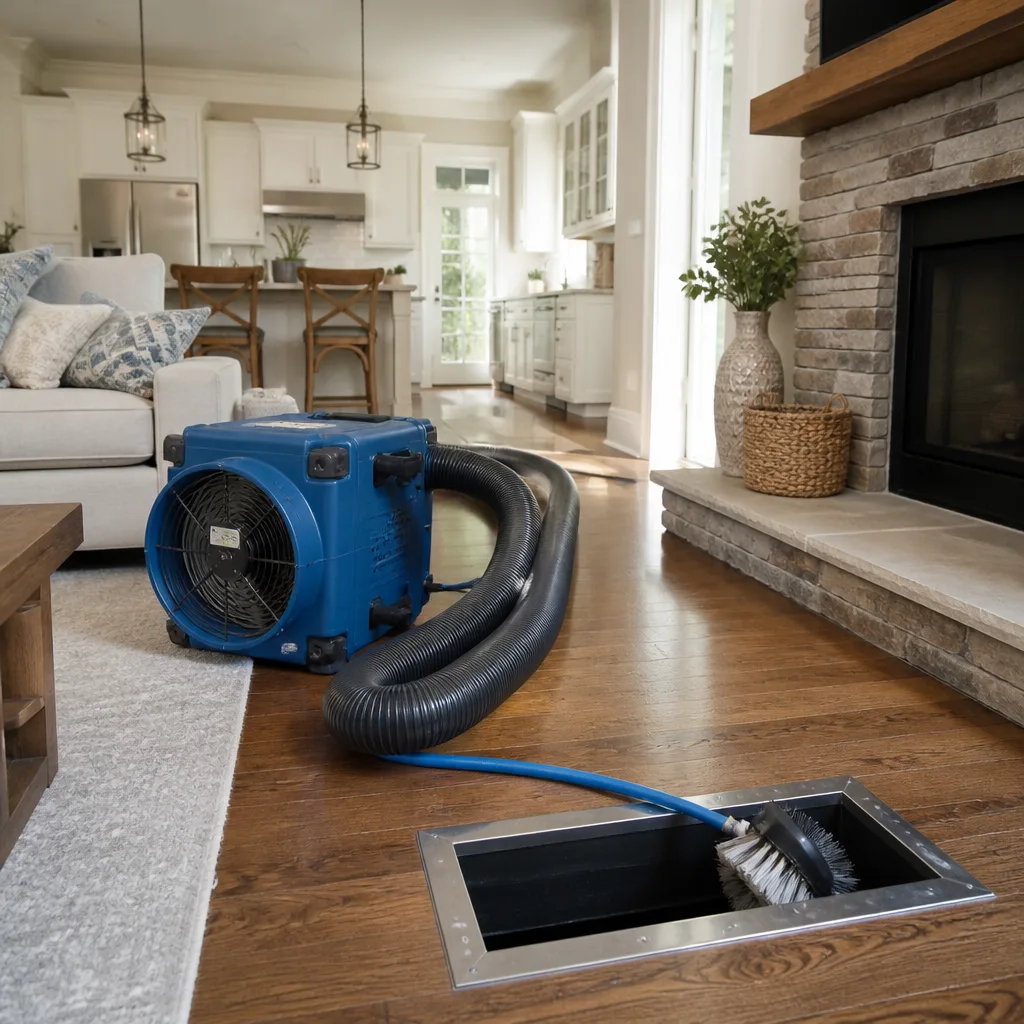 Whole-home duct cleaning
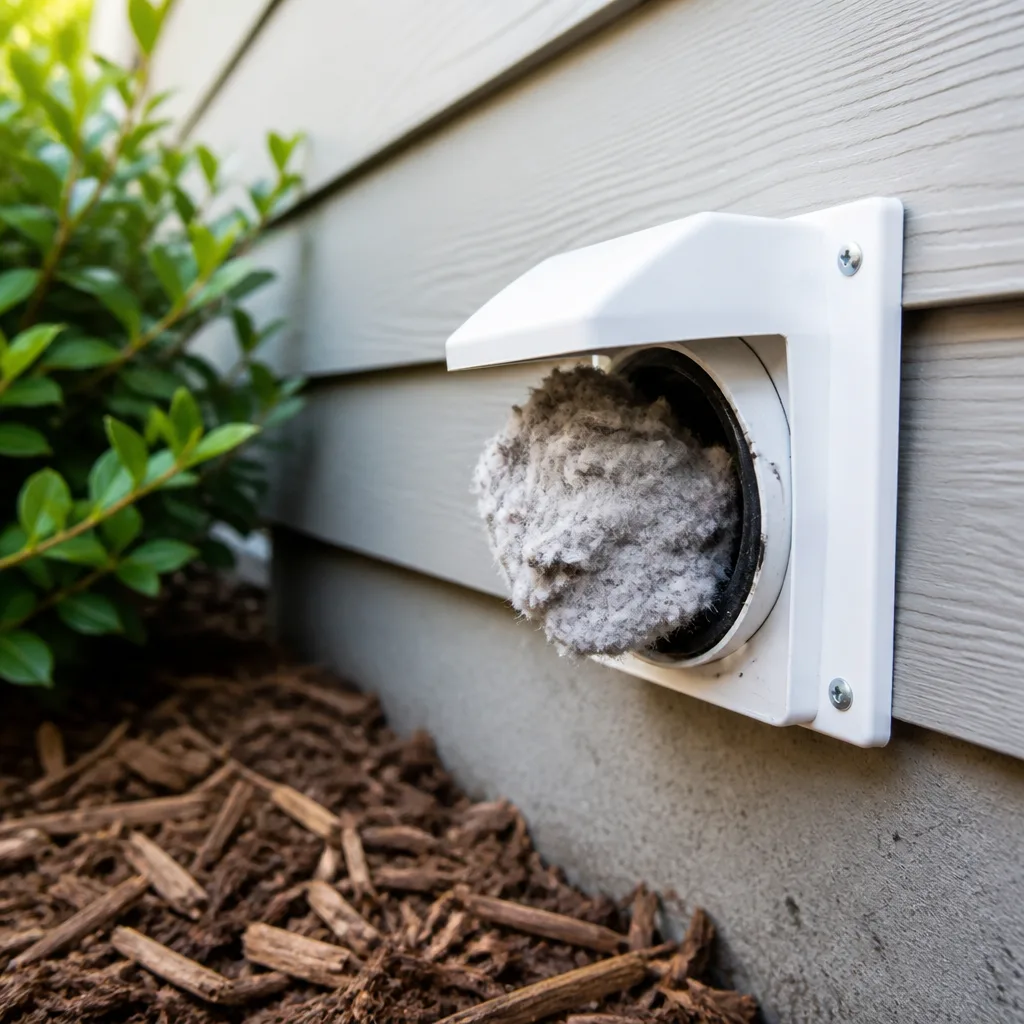 Dryer vent cleaning
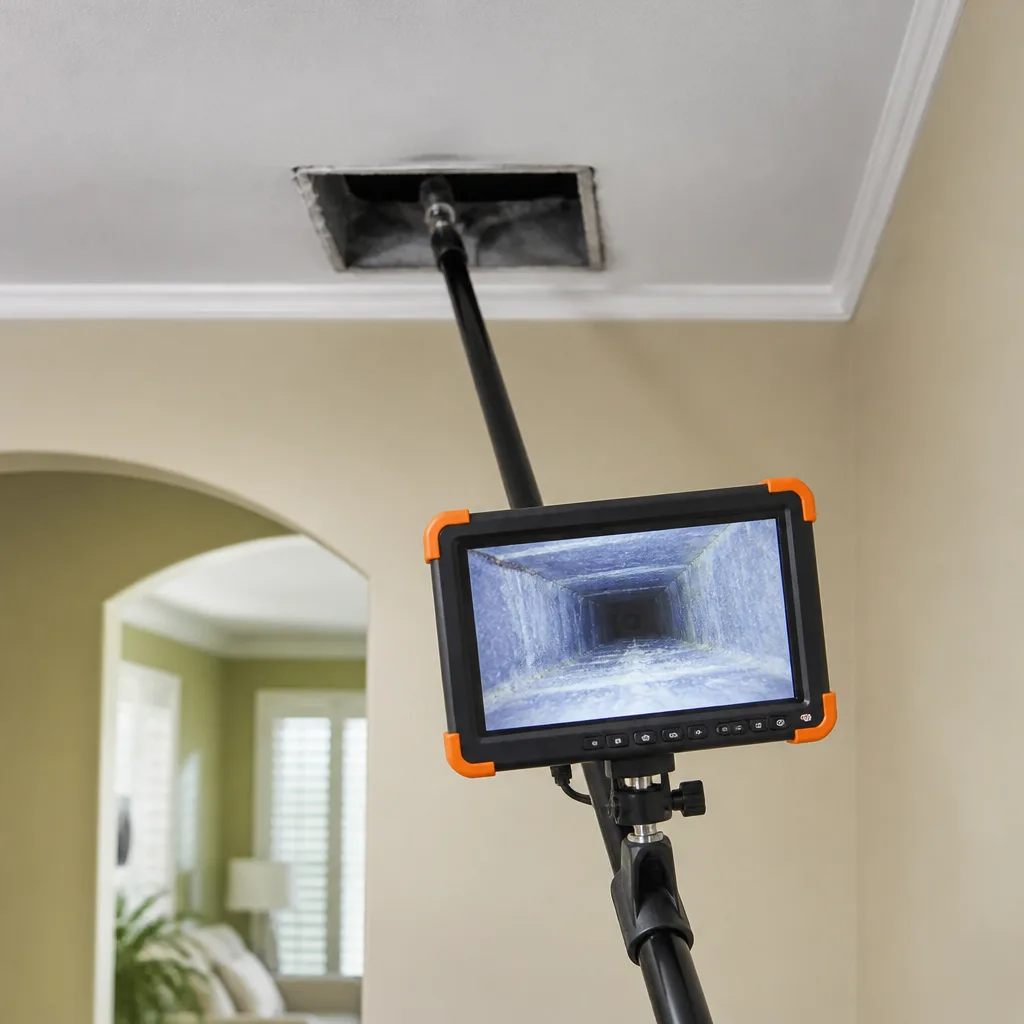 Camera inspection
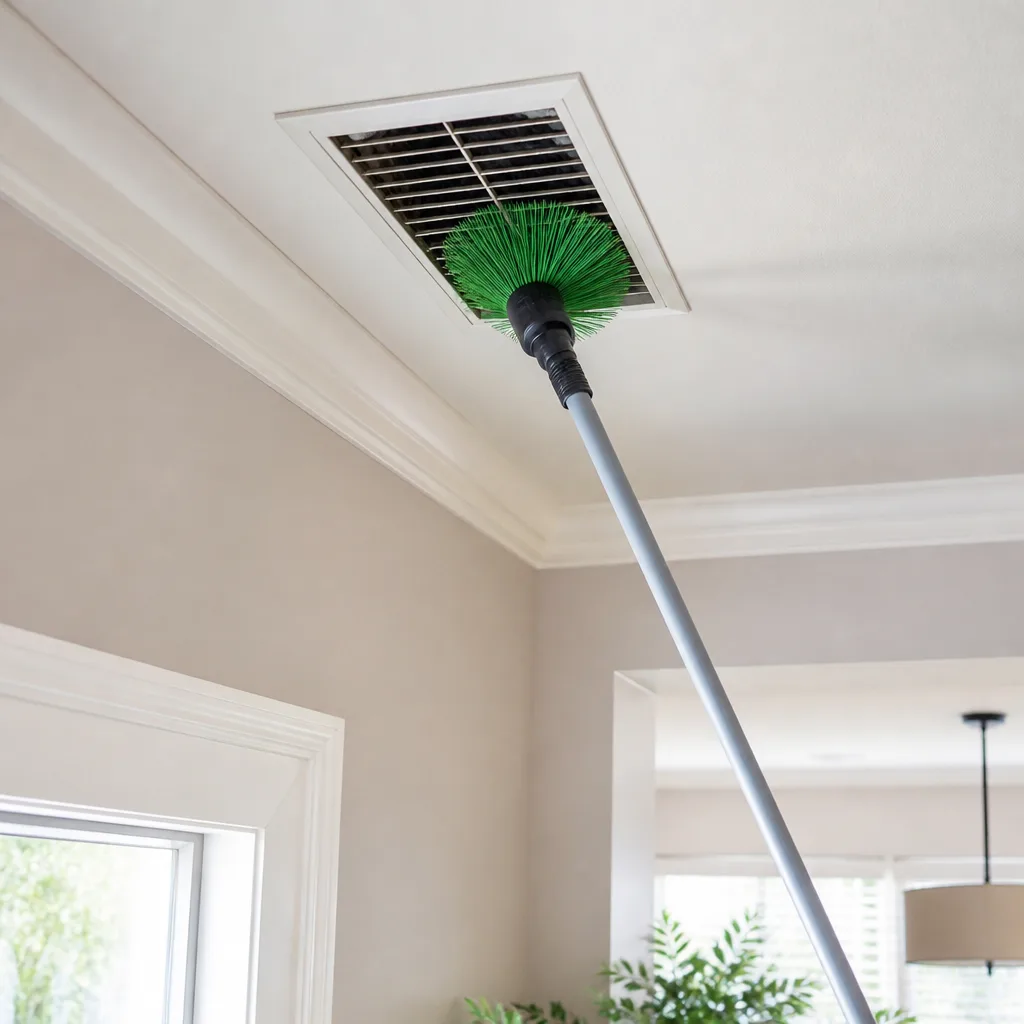 Sanitizing & deodorizing
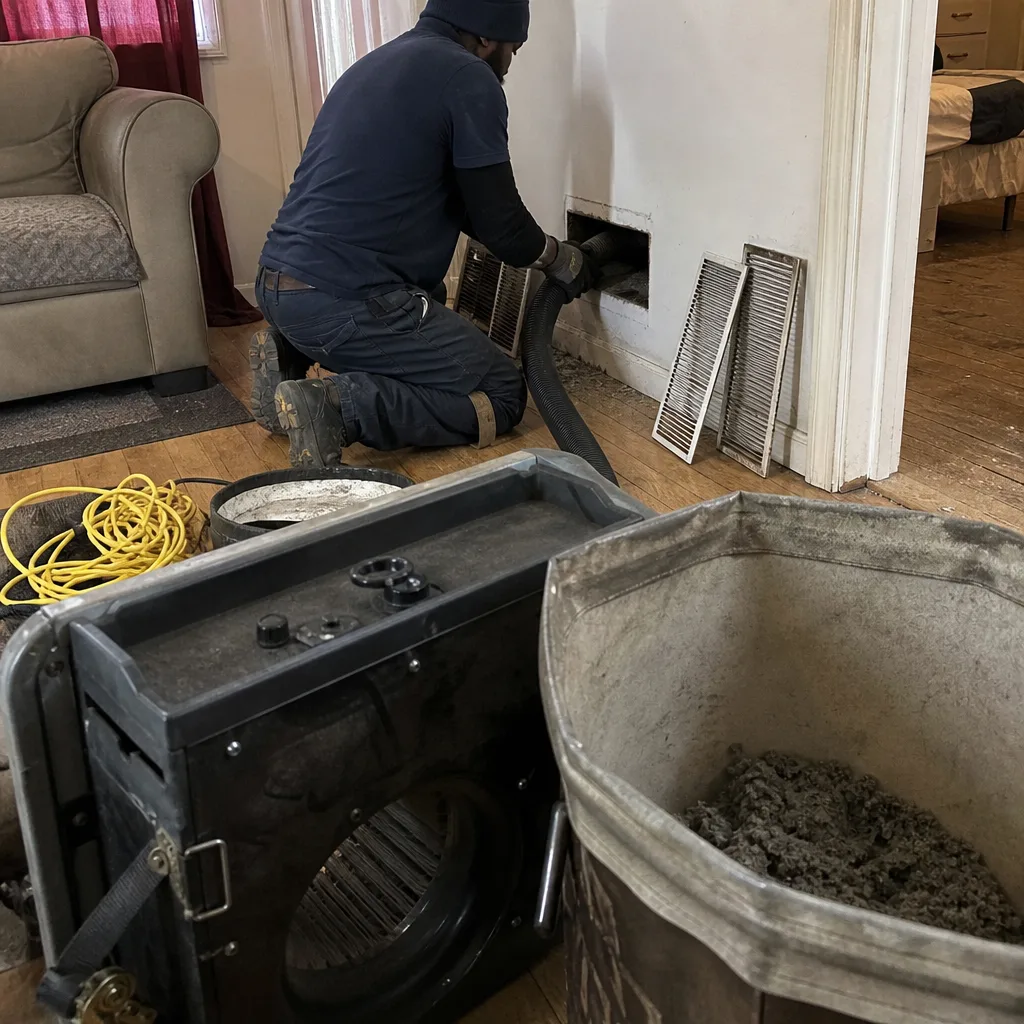
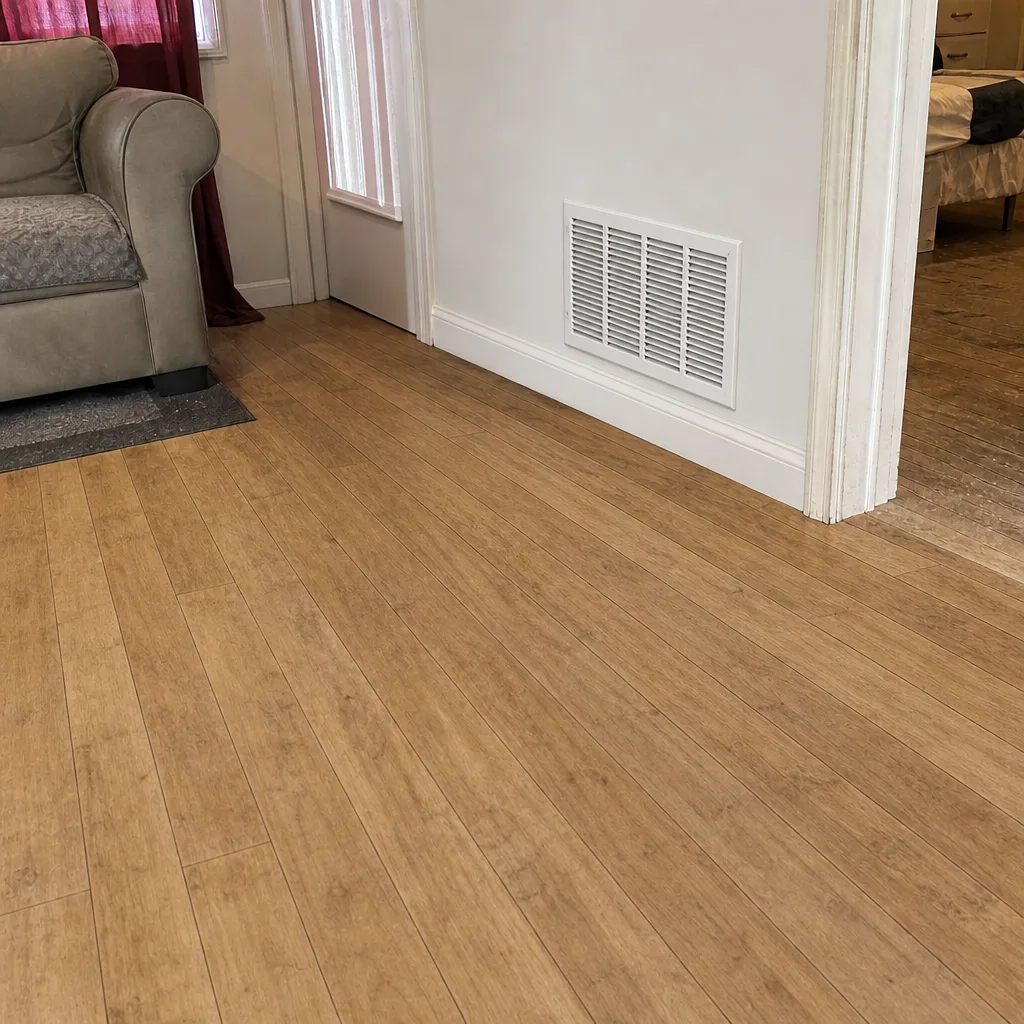
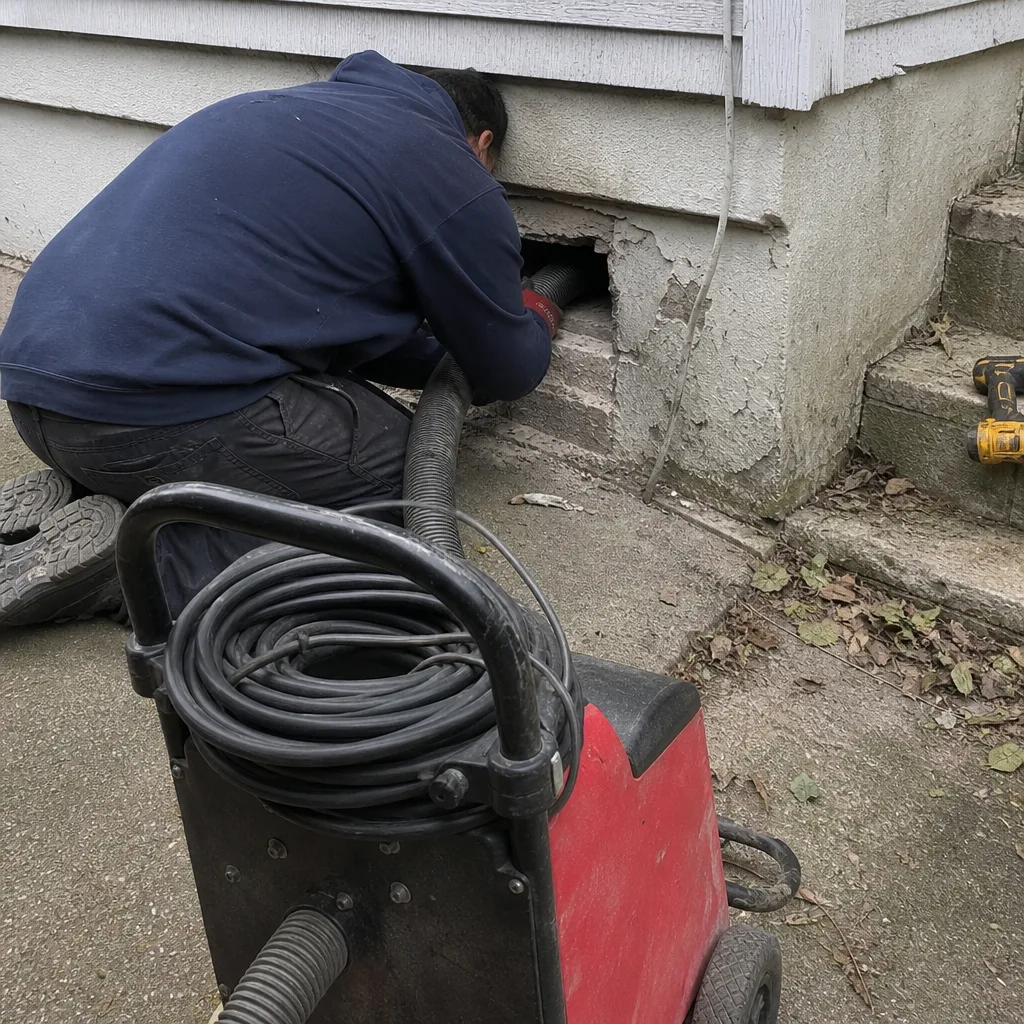
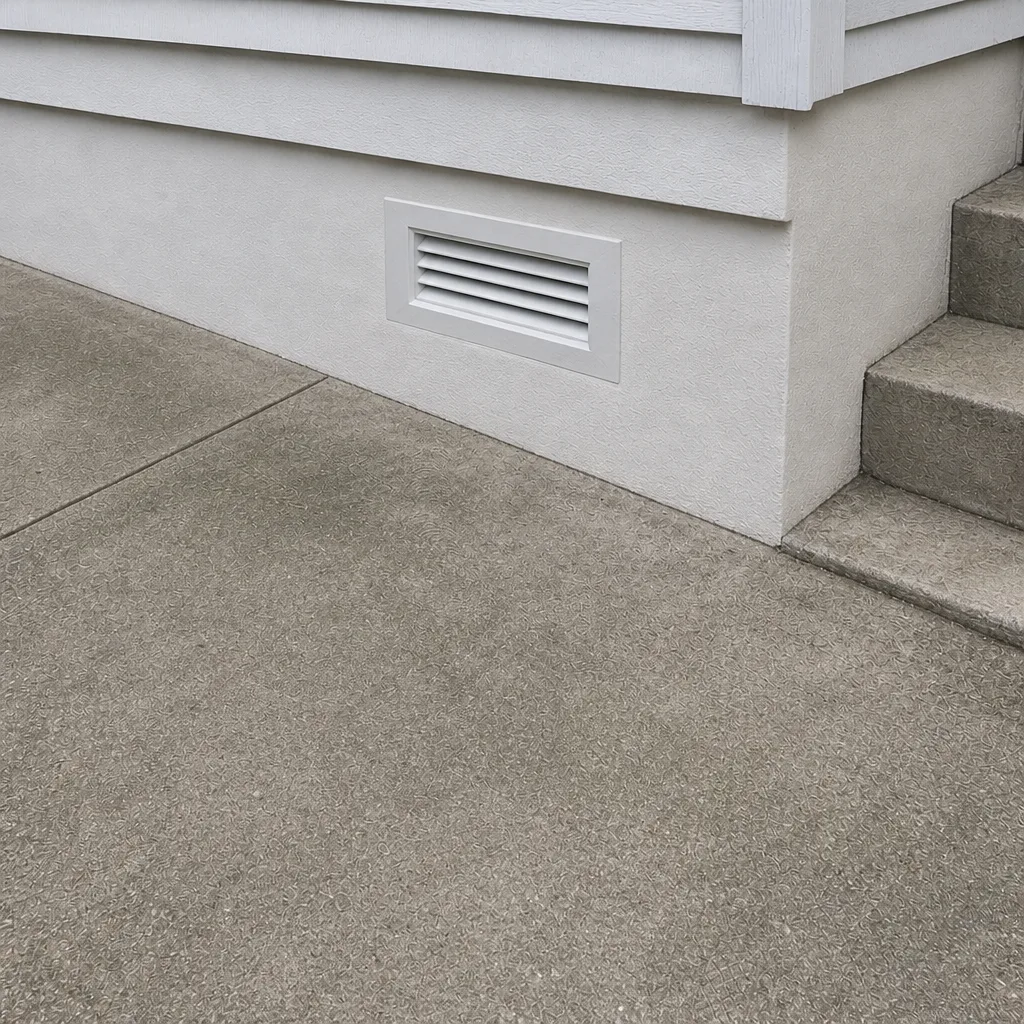
Whole-system duct and dryer vent check with before-and-after photos - you see exactly what came out of your vents
That "$99 whole-house special" is a bait ad - the real number appears once they are in your hallway, or the "clean" is a shop-vac at the register. We photograph the inside of your ducts before and after instead.
Air Duct Cleaning Maintenance Schedule: What to Do and When
Most homeowners have heard the line that ducts should be cleaned every three to five years, and most of them file it away as a single item on a single calendar. That advice assumes a suburban house with a sealed system, steady occupancy, and clean outdoor air. A third-floor walk-up a couple of blocks off the Bruckner Expressway is a different machine entirely. Diesel particulate loads, elevated particulate days in summer heat, and century-old building stock with shared chases all supply debris faster than a suburban timetable anticipates. Here’s how to build a schedule that fits Mott Haven reality, tiered by baseline intervals, events, and conditions.
Styles & brands we work with
- Whole-home duct cleaning
- Dryer vent cleaning
- Camera inspection
- Sanitizing & deodorizing
Quick Answer
Plan on a professional duct cleaning every three to five years as a baseline, and shorten that interval to every two to three years in older or shared-duct Mott Haven buildings. Add a cleaning after any major renovation, flood, or HVAC replacement, and inspect whenever allergy symptoms, musty odors, or visible dust at the registers appear. A written inspection log is what turns those intervals from guesswork into a real maintenance schedule.
Table of Contents
- Why the Standard 3 – 5-Year Rule Doesn’t Fit Mott Haven
- The Three-Tier Schedule: Baseline, Event, Condition
- Tier One: Baseline Calendar Intervals
- Tier Two: Event-Triggered Cleanings
- Tier Three: Condition-Triggered Inspections
- What Homeowners Should Do Between Visits
- Logging Duct Condition Over Time
- Scheduling in Multi-Unit Buildings
- Printable Seasonal Checklist for Mott Haven
- Common Mistakes to Avoid
- When to Call a Professional
- Frequently Asked Questions
- The Bottom Line
One thing worth saying up front: our technicians have up to 13 years of experience, and almost every real scheduling question we field comes down to the same thing. People want to know whether they’re cleaning too often or not often enough. The honest answer depends on the building, not the calendar.
Why the Standard 3 – 5-Year Rule Doesn’t Fit Mott Haven
The three-to-five-year figure comes from guidance aimed at typical suburban single-family homes. It assumes a house with its own air handler, no shared ductwork, and outdoor air that’s comparatively free of traffic particulate. Mott Haven doesn’t match any of those assumptions closely. The neighborhood sits along dense traffic corridors, including the Bruckner Expressway, and diesel particulate from heavy vehicles moves through the air year round. Older apartment stock often shares chases and mechanical systems between units, so debris from one unit can migrate. On humid summer days, dust-plus-moisture combinations inside a cold duct create the kind of dark, damp environment that supports microbial growth.
None of that means every Mott Haven home needs cleaning every year. It means the baseline is a starting point, not a rule. A newer condo with a sealed system might safely go the full five years. A pre-war walk-up with original duct runs, a window unit acting as auxiliary cooling, and a family of four might warrant a cleaning every two years, then a re-inspection mid-cycle. We’ve watched this play out enough times to know the schedule has to be tiered, because the contamination model isn’t uniform across this neighborhood.
If you suspect the system is already overdue, the first step is a professional assessment of air duct cleaning in Mott Haven rather than guessing from the register grille. An inspection tells you what’s actually in the runs. From there, you build the schedule.
The Three-Tier Schedule: Baseline, Event, Condition
A workable schedule stacks three tiers. Baseline intervals keep the system on a predictable rhythm. Event-triggered cleanings reset the clock when something unusual happens. Condition-triggered inspections respond to what the occupant actually experiences. Each tier answers a different question, and together they cover the gaps that a single time-based rule leaves open.
Tier One – Baseline intervals. A default cleaning cadence based on building age and duct configuration. This is your floor.
Tier Two – Event-triggered cleanings. Renovation, flooding, pest intrusion, HVAC replacement. These don’t wait for the baseline to come around.
Tier Three – Condition-triggered inspections. Visible mold, a new pet, allergy flare-ups, persistent odors. These call for inspection, not automatic cleaning, so the decision rests on findings rather than fear.
Why three tiers instead of one? Because a single calendar can’t hold information like “we just renovated the kitchen” or “the basement flooded in spring.” Those are the moments when ducts most reliably become contaminated, and a schedule that ignores them leaves the homeowner reacting after symptoms appear. Layered tiers let the system respond to what the building actually went through.
Tier One: Baseline Calendar Intervals
Use building age, duct material, and occupancy to set the baseline. These intervals are starting estimates, adjusted downward as soon as any event or condition pushes the system out of band.
| Building / System Profile | Suggested Baseline Interval | Notes |
|---|---|---|
| Newer single-family home, sealed rigid ductwork | Every 4 – 5 years | Adjust only if conditions warrant |
| Older single-family home, mixed duct materials | Every 3 – 4 years | Flex duct sections accumulate faster |
| Pre-war walk-up apartment, individual HVAC | Every 2 – 3 years | Inspect at the mid-point |
| Shared-duct multi-unit building | Every 2 – 3 years, coordinated | Coordinate with building management |
| Home with pets or allergy-sensitive occupants | Every 2 – 3 years | Shorter if symptoms persist |
The intervals above are broad guidance, not a quote. Actual contamination varies with filtration, filter-change habits, and how often windows are open. A home with a well-fitted air duct cleaning history and a working high-MERV filter routinely outlasts the intervals above. A home relying on a one-inch fiberglass throwaway filter will not. If you aren’t sure which side of the table you fall on, an inspection is the cheaper move.
Tier Two: Event-Triggered Cleanings
Some events contaminate a system fast enough that the baseline calendar becomes irrelevant. After any of the following, treat the cleaning interval as reset to zero.
- Major renovation, especially demolition. Drywall dust, sawdust, and insulation fibers travel through return air and settle throughout the runs. Even a taped-off work zone leaks.
- Flooding or water intrusion. Water in a duct means moisture plus substrate. If the system ran during or after the event, distribute contaminated air.
- HVAC replacement. A new air handler or furnace should not push into old contaminated runs. Clean first, install second.
- Fire or smoke damage near the air intake. Smoke residue travels with the airflow and lingers on duct surfaces long after odor dissipates elsewhere.
- Pest intrusion. Nesting material and droppings inside ducts warrant immediate professional cleaning and sanitizing.
- Roof or envelope repairs that release debris. Even exterior work can push particulate into the return system.
Renovation is the most common trigger here. Brownstone and walk-up renovations in Mott Haven regularly produce enough airborne particulate to coat return-side duct surfaces in a single weekend of demolition. If you know a renovation is coming, the right sequence is a pre-renovation inspection, sealed registers during work, and a post-renovation cleaning. That sequence is worth more than any calendar interval.
HVAC replacement is the second common trigger. If you’re replacing a system, coordinate HVAC cleaning to run inside the same window so the new equipment starts on clean ductwork.
Tier Three: Condition-Triggered Inspections
Conditions warrant inspection, not automatic cleaning. That distinction matters: cleaning without inspection is a guess, and inspection without findings is a shopping list for work you don’t need. Watch for these triggers, then schedule an inspection.
- Visible mold or dark staining at any register or grille.
- Persistent musty or dusty odor when the system runs, even after filter changes.
- Seasonal allergy flare-ups that seem tied to indoor air.
- A new pet in the household.
- Excess dust settling on surfaces within days of cleaning.
- Increased heating or cooling cost without a system change.
- Noise changes, whistling, or reduced airflow at specific registers.
- Pest sightings near the air handler or return.
If you see visible mold, don’t spray it and call it handled. Surface sprays don’t reach the substrate, and they can mask a moisture problem that needs repair. A proper inspection checks moisture content, identifies whether contamination is on the duct surface or in the airstream, and determines whether the right answer is basic cleaning, cleaning with sanitizing, or duct repair and sealing first. Our technicians use Rotobrush and Nikro equipment during inspection and cleaning precisely because surface inspection and full extraction answer different questions.
Register dust is the most common condition trigger, and the most dismissible. People learn to live with it. What they don’t realize is that register dust is often the visible fraction of what’s coating the runs beyond the grille.
What Homeowners Should Do Between Visits
The professional schedule is only half the picture. What happens between visits decides how long a clean system stays clean.
- Change filters on a schedule, not by appearance. A one-inch filter should go roughly every 60 – 90 days in most homes; a four-inch media filter can go 6 – 12 months. Write the change date on the filter frame.
- Choose filter grades deliberately. Higher MERV captures more, but too high a restriction on an older system reduces airflow. Match the grade to what the equipment can handle.
- Vacuum registers rather than wiping them. A brush attachment pulls settled debris up and out. A damp rag pushes the fine layer back into the ducts.
- Check the condensate drip pan. Standing water in the pan or nearby is a direct path to microbial growth inside the system. If the pan holds water, the drain is blocked or the pan is pitched wrong; either way, fix it.
- Seal visible gaps at registers and connections. Return-side gaps pull unfiltered air from wall cavities. A small bead of caulk or foil tape closes the path.
- Keep the area around the air handler clear. Boxes and stored items restrict airflow and trap dust.
- Watch humidity in summer. If indoor relative humidity climbs into the high 50s or above, address it at the source rather than waiting for a cleaning to fix it.
These tasks are homeowner-level. They’re the same items we walk through during a visit so the priorities are clear. If you’d like a professional assessment of where your system sits, the air duct cleaning service we provide includes a walk-through of what you can maintain yourself.
A quick note on safety. Electrical panel work, gas-line work, and any work that requires opening a sealed combustion system belong to a licensed professional. If you’re unsure whether a task falls on the “homeowner” side, assume it doesn’t.
Logging Duct Condition Over Time
A schedule without a log is just a habit. A schedule with a log is a record you can compare against, and comparison is the whole point of a tiered schedule. Successive visits only produce useful information if the baseline is documented.
Keep a simple running log. One page per system, or a note on your phone, is enough. Track:
- Date of each professional cleaning, and which contractor.
- Filter type (grade) and dates changed.
- Notable findings from inspection: dust load at the air handler, visible debris in specific runs, moisture present or absent.
- Before-and-after photos from each visit.
- Event entries: renovation start and finish dates, HVAC replacement date, water intrusion date.
- Condition entries: any of the Tier Three triggers, with the date they appeared.
Photos are the key piece. Register dust at the grille tells you almost nothing about how load is distributed through the runs, but a photo taken at cleaning time, compared against the next photo, shows the rate of reaccumulation. That’s how you shorten or lengthen intervals intelligently instead of guessing. Ask the contractor for before-and-after images of the actual ductwork each visit, and keep them filed with the log.
A log also resolves a common worry: whether the work was actually done. When you have photos and inspection findings from the visit, the question answers itself.
Scheduling in Multi-Unit Buildings
Shared-duct buildings change the schedule. A unit-by-unit cleaning in a building where the ducts actually connect between units can push debris from one unit into another, or leave contaminated paths intact that the individual unit cleaning never touched. The result is that the unit looks clean and the building still performs poorly.
The sequence that works:
- Coordinate with building management before scheduling. Confirm whether ducts are individual per unit or shared within the building.
- Inspect from a representative unit and from the building-side air handler. Share results with management so everyone works from the same picture.
- If ducts are shared, schedule cleaning building-wide or by shaft. Individual cleaning in a shared system is a partial measure, not a full one.
- Agree on sealing scope before work begins. Shared ducts often reveal gaps at the shaft and at unit transitions that need sealing to prevent cross-unit migration.
- Log building-wide results separately from per-unit results. Management gets the building record; each tenant gets their unit record.
For landlords and property managers, the practical takeaway is this: find out what type of duct system you have before contracting any cleaning. If the answer is shared, the schedule has to be building-coordinated. In Mott Haven’s denser housing stock, that’s frequently the case. Ask the question up front, and get the answer in writing.
If you manage a rental and suspect a system has been neglected across units, a professional walk-through of the whole system is a worth the call before any unit-level cleaning is booked.
Printable Seasonal Checklist for Mott Haven
Seasons here have their own rhythm, and the schedule should follow it. Print this checklist and keep it with your duct log.
Spring (pollen season)
- Replace filters; pollen load raises filter restriction.
- Inspect return-side grilles for visible pollen or fine debris.
- Check window and door seals for gaps that pull pollen directly into the return path.
- If allergy symptoms spike, treat as a condition trigger and schedule an inspection.
Summer (humid season)
- Check the condensate drip pan for standing water.
- Confirm the air handler’s drain is clear.
- Watch indoor humidity; consider a dehumidifier if it stays high.
- Listen for increased system runtime, which can signal restricted airflow.
Fall (transition season)
- Replace the filter before heating season begins.
- Schedule a baseline inspection if the last cleaning is more than two years old.
- Vacuum registers before the system switches to heating.
Winter (dry heat season)
- Replace the filter mid-season.
- Check humidity; very dry air isn’t a duct problem directly, but it affects how dust behaves.
- Watch for soot or staining at registers if you use a fireplace or fuel-burning appliance.
If a renovation is planned for any season, the event-triggered cleaning overrides the seasonal items. Plan the pre-renovation inspection into the project schedule.
Common Mistakes to Avoid
- Treating the 3 – 5-year rule as universal. It’s a starting point, not a schedule. Mott Haven’s older housing stock and traffic-heavy air justify shorter intervals in many buildings.
- Skipping inspection because “it’s time.” Cleaning on a fixed calendar without checking condition means some systems get cleaned needlessly and others get missed. Inspect first, then decide.
- Cleaning during a renovation rather than after. Cleaning mid-renovation achieves nothing; the work is undone by the demolition dust. Schedule the cleaning for after the last of the work.
- Cleaning one unit in a shared-duct building without coordination. Debris can migrate between units, so single-unit cleaning in a shared system is a partial fix.
- Buying the cheapest quote without asking about equipment. Portable vacuums with weak negative pressure can re-entrain dust into the living space. Ask what equipment the contractor uses.
- Using high-MERV filters without checking airflow. A filter that’s too restrictive strains the air handler. Match the grade to the equipment.
- Ignoring register dust as cosmetic. It’s usually the visible fraction of a larger issue at the runs beyond the grille.
When to Call a Professional
Call a professional if any of the following is true: you’ve noticed visible mold or dark staining at any register, you’re seeing persistent musty odor when the system runs, you’re preparing for or just finished a major renovation, your HVAC system has just been replaced, you’ve had flooding or water intrusion, you’ve seen pest activity near the air handler, someone in the household has developed allergic symptoms tied to indoor air, or your scheduled baseline interval has passed without an inspection. Also call if you’re a landlord or property manager unsure whether a building’s ducts are shared or individual.
Air Duct Cleaning Mott Haven offers free estimates in Mott Haven. Call (855) 658-4004. We answer 24/7. Fast dispatch from 7am to 7pm, Sunday through Friday (closed Saturday). Same-day service is available. Our technicians use contractor-grade Rotobrush and Nikro equipment, and we work fluently with existing Honeywell and Aprilaire systems. One flat price per system, agreed before any work starts, with before-and-after photos of your own ductwork.
Frequently Asked Questions
Every two to three years for most Mott Haven homes, with newer or well-sealed systems stretching to four or five. The shorter interval reflects the area’s older building stock, shared duct configurations, and consistent traffic particulate. Call (855) 658-4004 for a free inspection to set your own baseline.
Yes. Shared-duct buildings need building-coordinated cleaning every two to three years, and cleaning one unit alone can leave debris in adjacent units. Confirm with building management whether ducts are shared before scheduling anything unit-level. Call (855) 658-4004 and we can inspect the system’s configuration first.
Cost depends on the number of registers, system size, and whether repair or sealing is needed alongside cleaning. We don’t quote per-vent prices, because whole-system pricing is honest pricing. One flat price per system applies, agreed before work begins. Call (855) 658-4004 for a free estimate on your specific system.
Cheaper quotes often rely on portable consumer-grade vacuums rather than contractor-grade negative-pressure equipment, and frequently skip inspection. Rotobrush and Nikro equipment, along with the kind of containment Abatement Technologies tools provide, are the difference between dislodging dust and re-entraining it into the living space. Call (855) 658-4004 for a quote that reflects the correct equipment for the job.
Ask for before-and-after photos of your own ductwork, not stock images. Keep them in your duct log alongside the inspection findings. If the contractor can’t show photos of your system, you don’t know what was done. Call (855) 658-4004 to schedule an inspection with documented results.
Every two to three years in most Mott Haven buildings, faster after renovation, flooding, or HVAC replacement, and as soon as any condition trigger appears. The honest answer is that your system decides, not a calendar. Call (855) 658-4004 to set an inspection baseline and build the schedule from there.
The Bottom Line
The 3 – 5-year rule is a starting point, not a schedule. In Mott Haven, older housing stock, shared ducts, and dense traffic particulate demand a tiered approach: baseline intervals of two to three years for most buildings, event-triggered cleanings after renovation, flooding, or HVAC replacement, and condition-triggered inspections when symptoms or visible findings appear. Between visits, filter changes and drip pan checks do more than most homeowners expect. And a written log with before-and-after photos turns the whole schedule into something you can actually evaluate, rather than guess at. Build the schedule around the building, not the calendar.
Dryer vents follow their own schedule and deserve the same attention. A blocked dryer vent is a genuine fire risk, and lint accumulates faster than most people expect. Our dryer vent cleaning service handles the safety side of the system, and we can address it in the same visit as a duct inspection.
If you’re not sure where your system stands, the first step is an inspection. Air Duct Cleaning Mott Haven offers free estimates in Mott Haven. Call (855) 658-4004. We answer 24/7. Fast dispatch from 7am to 7pm, Sunday through Friday (closed Saturday). The local pro is licensed and insured as required by state law, and you’ll receive a written estimate before any work starts.
Written by the team at Air Duct Cleaning Mott Haven.
See the difference
 Before
 After
 Before
 After
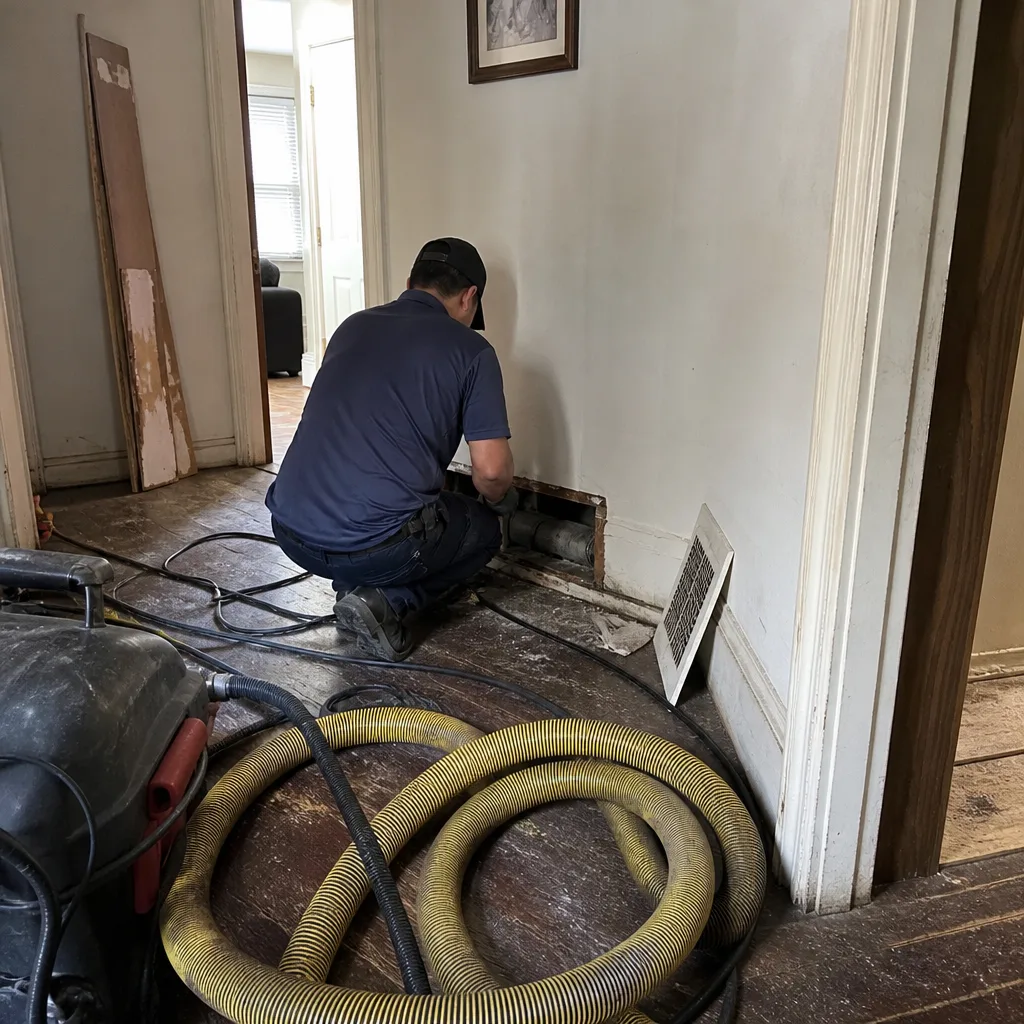 Before
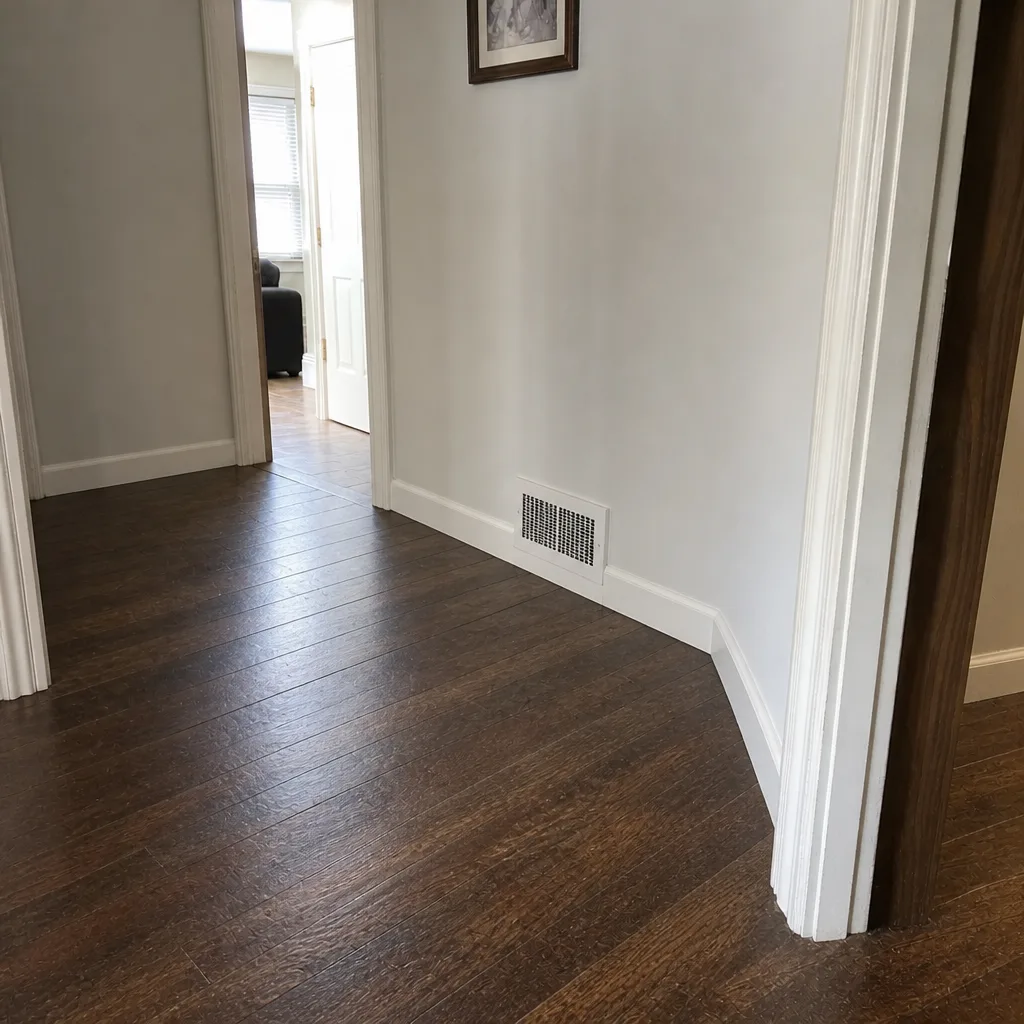 After