
Last updated November 22, 2026
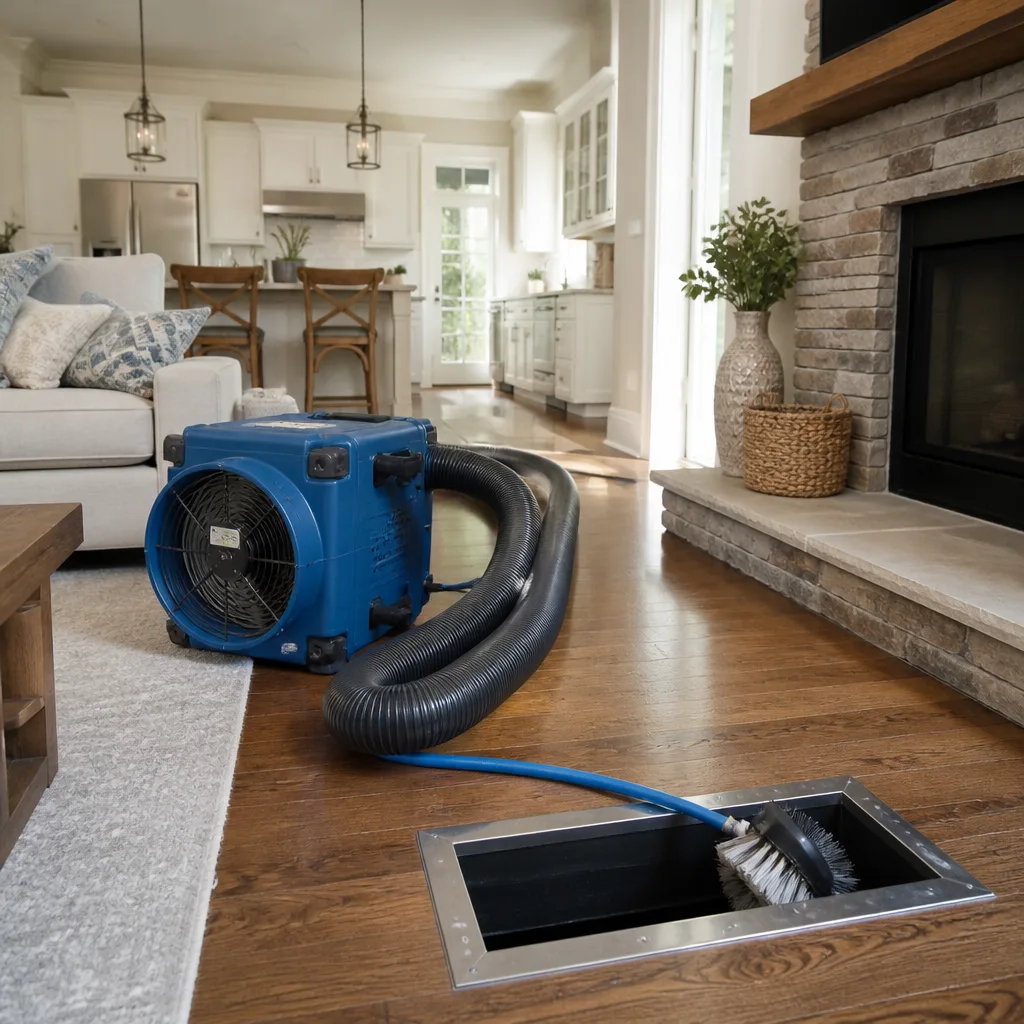 Whole-home duct cleaning
 Dryer vent cleaning
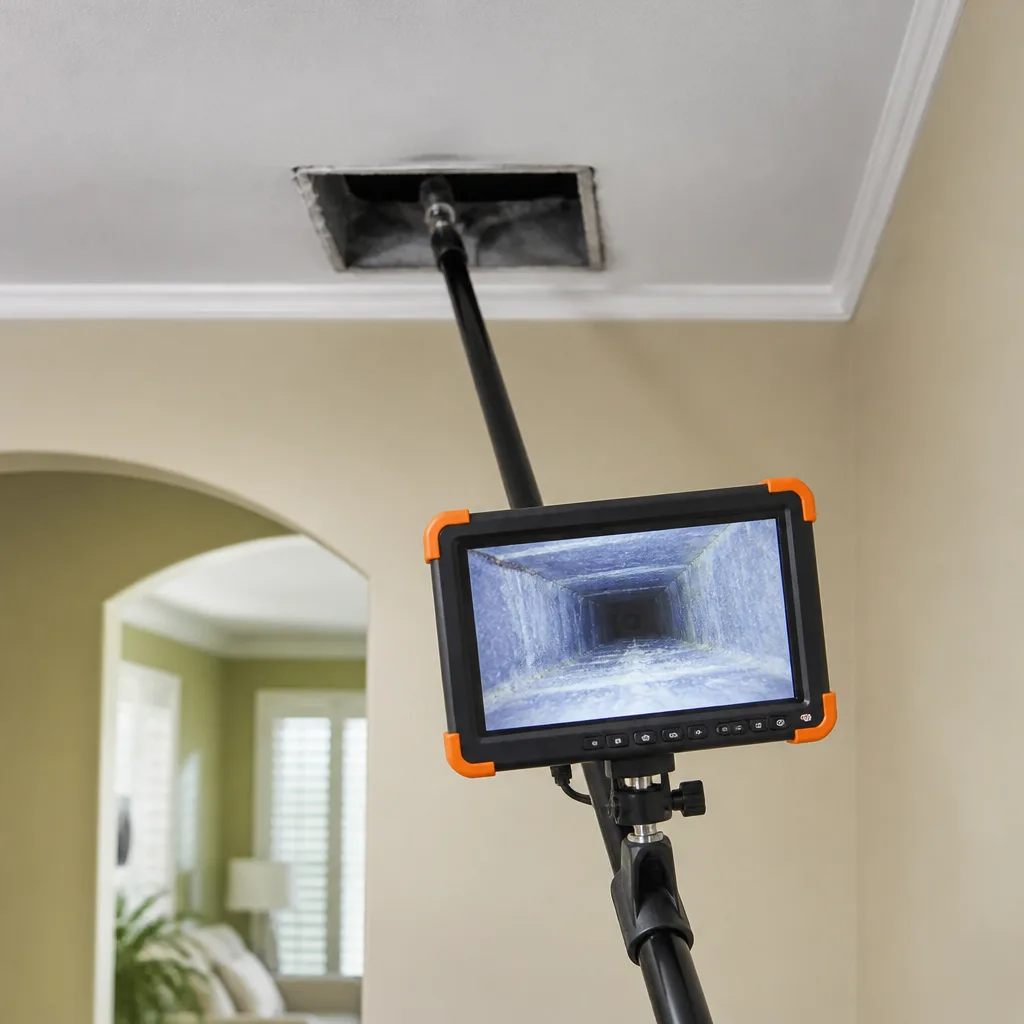 Camera inspection
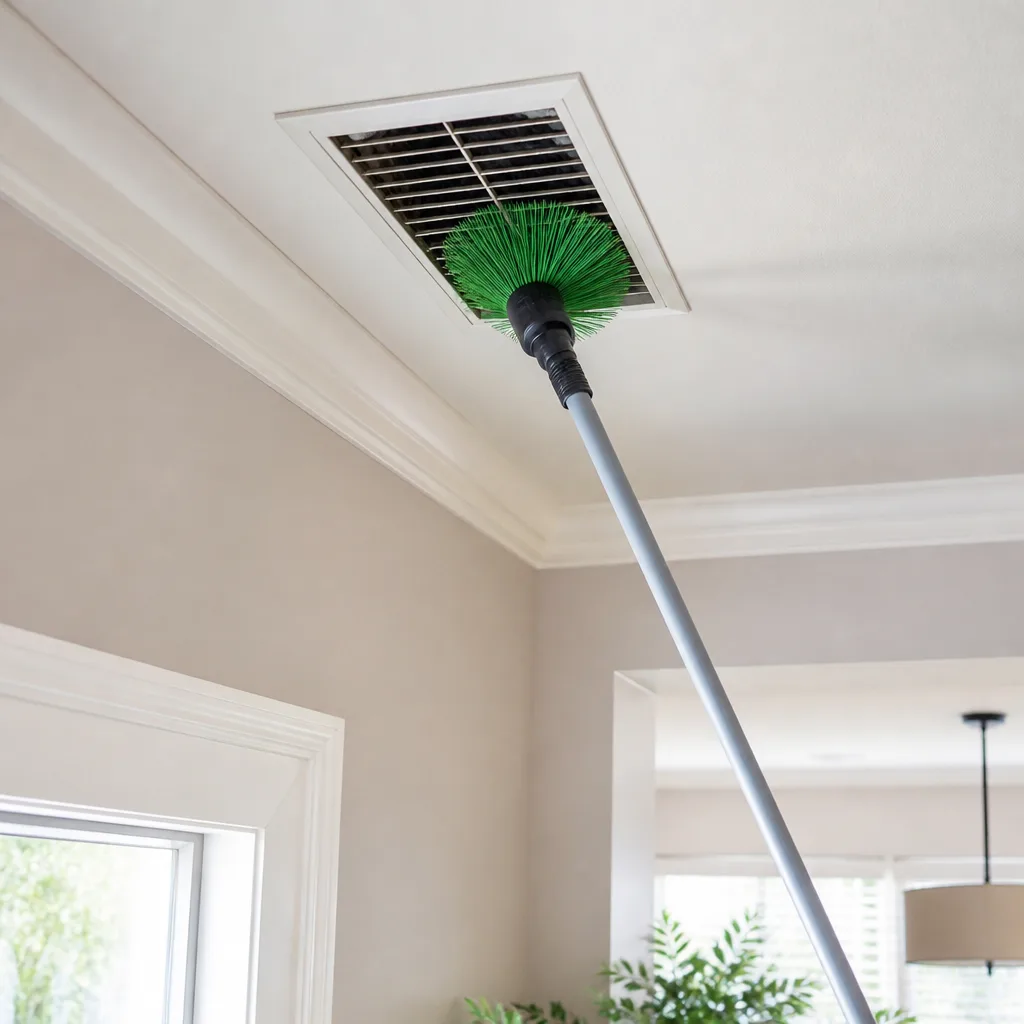 Sanitizing & deodorizing
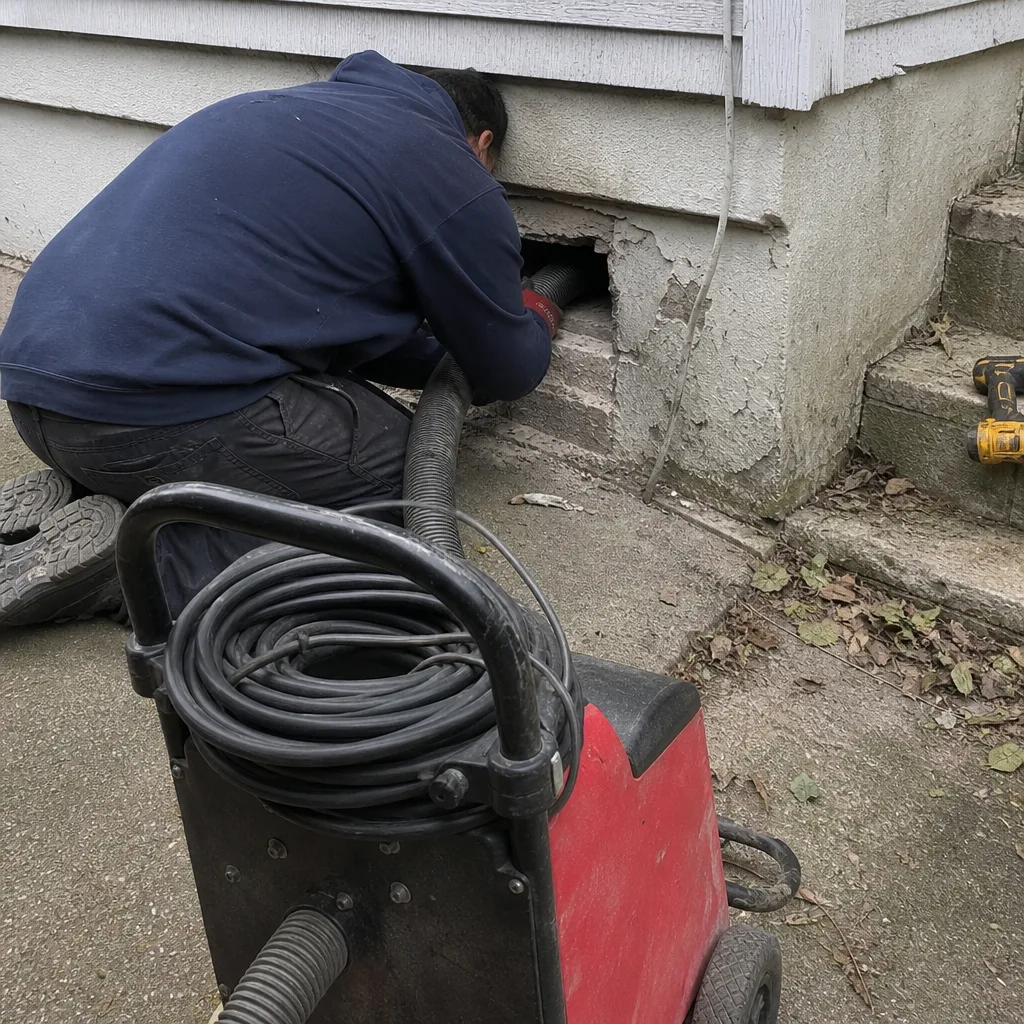
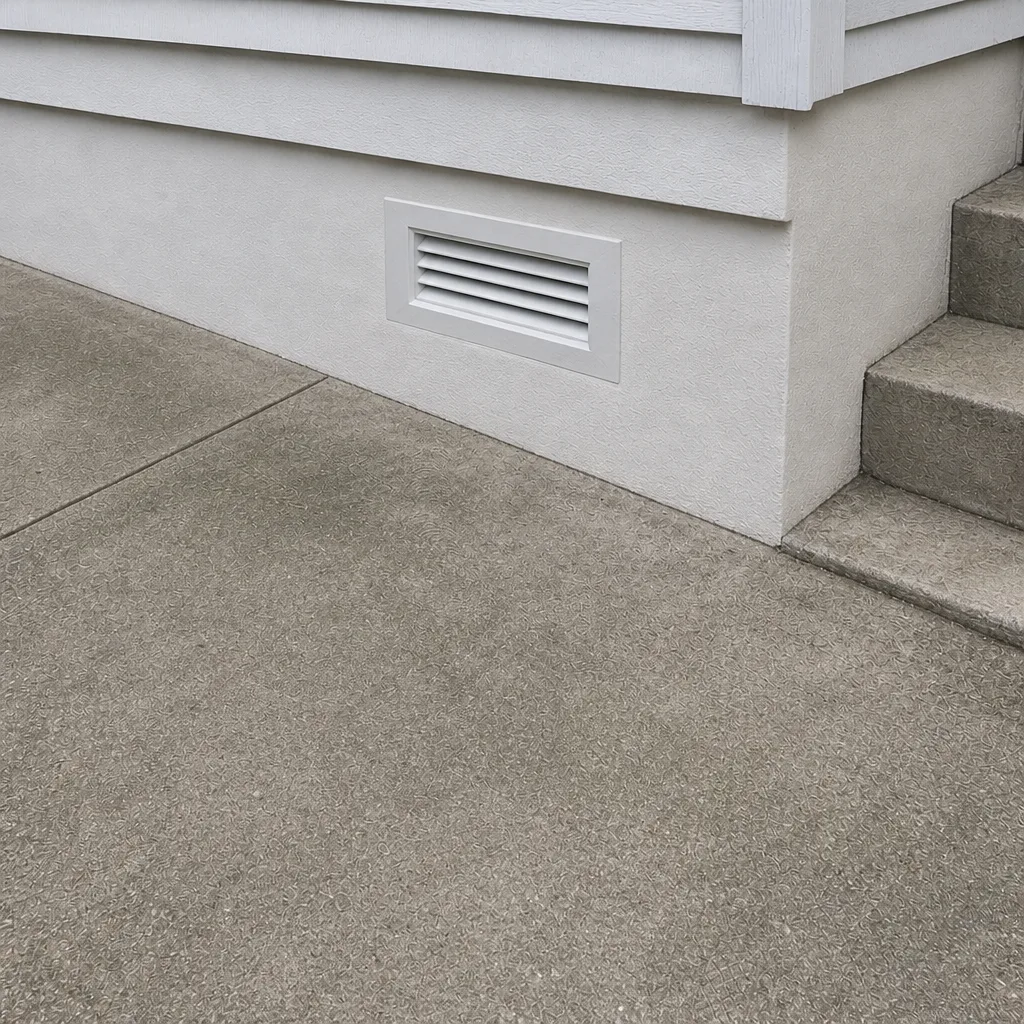
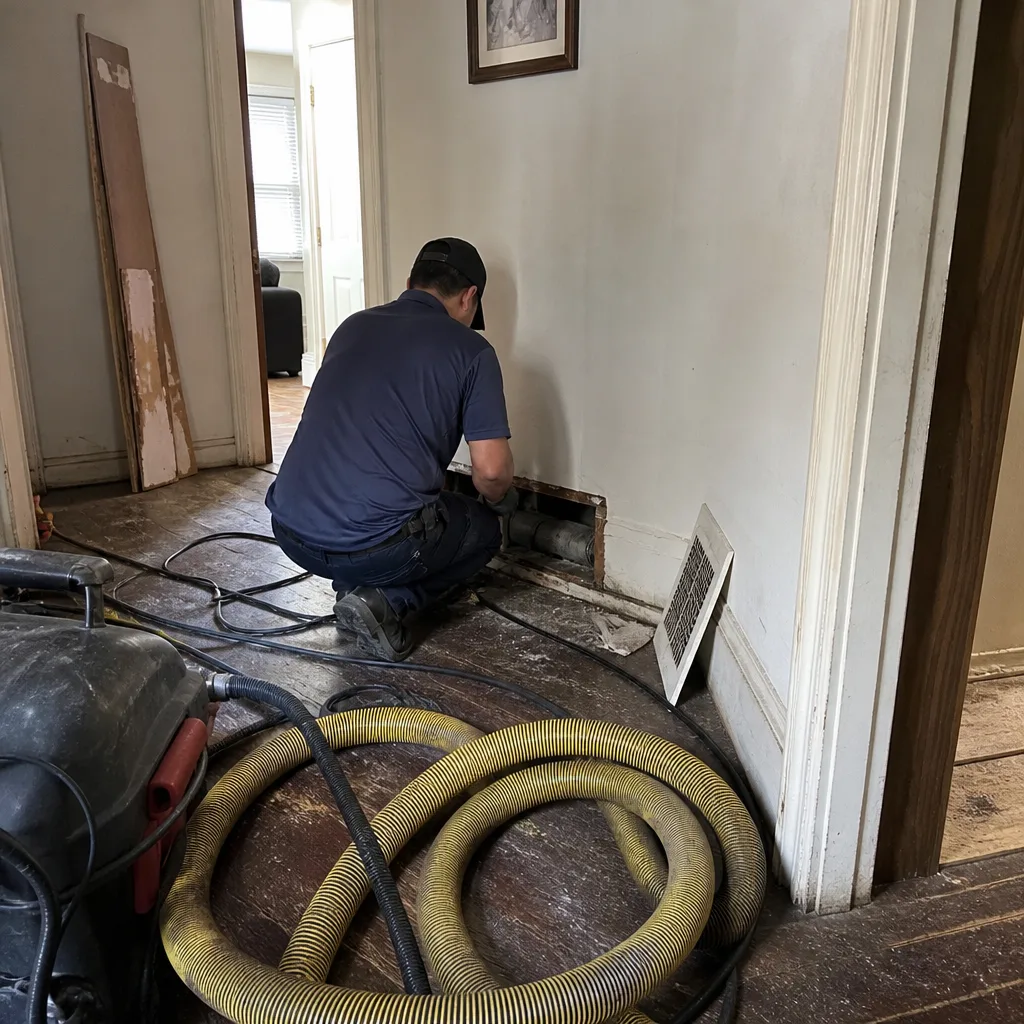
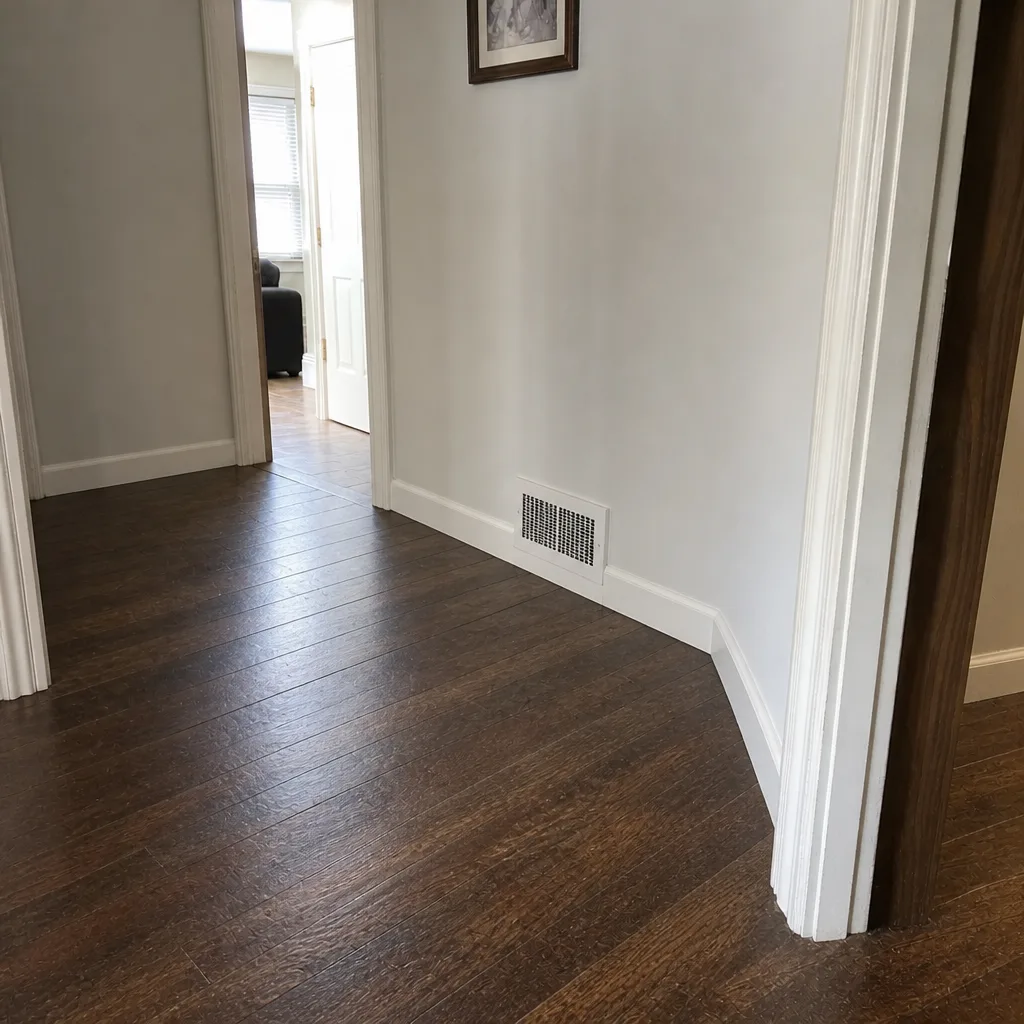
Whole-system duct and dryer vent check with before-and-after photos - you see exactly what came out of your vents
That "$99 whole-house special" is a bait ad - the real number appears once they are in your hallway, or the "clean" is a shop-vac at the register. We photograph the inside of your ducts before and after instead.
Air Duct Cleaning Warning Signs: A Mott Haven Homeowner’s Reference Guide
A musty smell when the heat comes on isn’t a minor annoyance. It’s aerosolized particulate from a contaminated heat exchanger surface being pushed into your living space at high temperature. By the time you can smell it clearly, that material has already been moving through your rooms at lower concentrations for days, maybe weeks. Here’s the problem with most duct warning-sign checklists: they tell you to wait for dramatic evidence – visible mold, total airflow failure – when the real early indicators are subtle, measurable, and present long before a system turns into a health or mechanical crisis. This guide teaches pattern recognition. By the time you finish reading, you’ll know exactly which smells, sounds, airflow changes, and register stains in your Mott Haven home deserve a closer look.
Quick Answer
The most reliable air duct cleaning warning signs are a recurring musty or “dirty sock” smell when the HVAC runs, a 15-20% difference in airflow between rooms on the same zone, gray-green staining around registers, and allergy or respiratory symptoms that track with your system running rather than with outdoor conditions. Any one of these is worth a professional inspection. Two or more together almost always point to a system that needs root-to-register cleaning.
Styles & brands we work with
- Whole-home duct cleaning
- Dryer vent cleaning
- Camera inspection
- Sanitizing & deodorizing
Table of Contents
- The Smell Test: Telling Normal From Problematic
- Airflow Asymmetry: Your Free Diagnostic Tool
- Reading Register Discoloration Patterns
- Symptoms That Track With HVAC Operation
- What Duct Sounds Are Telling You
- Mott Haven Climate, Building Stock, and Duct Behavior
- A Warning-Sign Checklist You Can Use Today
- When the Problem Is Bigger Than Cleaning
The Smell Test: Telling Normal From Problematic
Every forced-air system produces a mild odor the first time the heat fires up after a long idle stretch. That burnt-dust smell comes from dust settling on the heat exchanger over the cooling season and baking off when the furnace kicks in. It’s normal, it fades within a heating cycle, and it doesn’t come back. What you’re listening for is the smell that stays.
The odor signatures that point to a genuinely contaminated system fall into three rough categories:
- Biological growth – a musty, earthy, wet-basement smell. This is the signature of mold or fungal activity somewhere in the system. It’s strongest at the start of a heating or cooling cycle, when air moves across the affected surface and drives spores into the living space.
- Rodent activity – a sharp ammonia or stale-urine smell, often concentrated near one register. Rodents use duct runs as highways, and their waste leaves a persistent scent that cleaning alone may not resolve if the entry point isn’t sealed.
- Debris accumulation – a flat, dusty, “old attic” smell. No single sharp note, just a general staleness that you notice when you walk back into the house after being away.
One distinction matters here. Normal first-heat smell hits once and fades. Problem smell returns every cycle, gets stronger as the system runs, and is often worst in the rooms closest to the air handler. In our experience, if a homeowner in Mott Haven describes a smell that “never really goes away,” that’s usually biological growth or a moisture issue rather than ordinary dust.
Odor alone isn’t a diagnosis. It is, however, a strong trigger for a professional look, because a smell you can detect at the register means the system has been distributing that material at lower, undetectable concentrations for a while. That’s the reason to act early.
Airflow Asymmetry: Your Free Diagnostic Tool
Airflow is the single most useful thing a homeowner can measure without buying equipment. Your hand is a decent anemometer. Stand at each supply register in a room and hold a piece of tissue paper or your palm against the grille for a few seconds. You’re not looking for precise numbers. You’re looking for asymmetry.
Here’s the rule of thumb we use in the field: if two registers served by the same zone are delivering airflow that differs by roughly 15-20%, that gap is telling you something. That much variance points to one of a handful of causes, and none of them are things cleaning alone will fix:
- Partial duct blockage – a collapsed flex duct, a disconnected run, or a heavy debris load restricted by an obstruction at the register boot.
- Damaged or leaking ductwork – a joint that’s separated in an unconditioned space, throwing away a large share of your air before it reaches the room.
- A closed or partially blocked damper – sometimes a duct that was shut off for a renovation and never reopened.
- Register or grille obstruction – furniture, rugs, or paint-filled fins blocking the flow path.
What’s tricky about Mott Haven is that a lot of the housing stock here is older and has been modified over time. Duct runs get added, rerouted, and patched. Homes and pre-war walkups often have ductwork that wasn’t engineered for the current layout, and a room that feels under-served may have been a later addition to the system. That’s not a cleaning problem; it’s a duct repair and sealing problem, and it needs to be correctly diagnosed before a cleaning crew touches anything. Our HVAC cleaning team routinely finds this kind of asymmetry during an initial walkthrough.
Do the tissue test once now, then again in a month. A stable variance is a known condition. A variance that’s getting wider is a system degrading, and that’s the case where early inspection saves you real repair money.
Reading Register Discoloration Patterns
Register discoloration is where a lot of homeowners either panic over nothing or ignore something real. The pattern matters more than the presence of any particular color. Three distinct patterns mean three distinct things:
- Dust lines – the normal case. Light gray streaking along the leading edges of the fins or around the perimeter of the grille. This is ordinary air movement carrying dust and depositing it. It builds up over time and cleans up with a wipe. Common in every home in Mott Haven and everywhere else.
- Black soot deposits. A concentrated, oily black smudge around register faces or on nearby walls. This isn’t duct dirt. It usually points to a combustion issue – a furnace, water heater, or other gas appliance venting improperly or back-drafting. It’s a safety concern first and a cleaning concern second. If you see soot at a register, stop using the system until it’s checked out.
- Gray-green staining. The color that should trigger the strongest response. Gray-green staining indicates moisture and biological activity. It often shows up at registers near bathrooms, kitchens, or in apartments where the duct run crosses a cold exterior wall and condensates. Cleaning the register face is cosmetic; the problem is inside the duct, and it needs a professional look with moisture in mind.
We’ve seen register staining get misread at both extremes. A homeowner sees a light dust line and assumes the whole system is contaminated. Or, more commonly, someone paints over gray-green staining as a cosmetic touch-up before listing a unit. If you’re buying or renting in Mott Haven, look at the register faces during your walkthrough. Fresh paint around a register can be exactly the kind of signal that deserves a closer inspection.
Wipe a register face with a white cloth. If the cloth comes away with black soot, gray-green residue, or an oily film, take that as a specific warning about what’s upstream. A light gray dust mark on a clean cloth is normal.
Symptoms That Track With HVAC Operation
Occupant-reported symptoms are the most reliable warning sign a home can generate, but only if you document them correctly. The key is correlation. A family that feels worse every winter has a seasonal pattern. A family that feels worse specifically when the heat runs has a duct or airflow pattern. The second is the one that points to the system.
Here’s how to build a simple log:
- Note the symptom and the time. “Woke up congested, 6:30am, heating on since 5am.” “Dry eyes all afternoon, thermostat shows system ran 40 minutes on, 15 off.”
- Mark when the HVAC is running versus idle. The furnace blower on/off state is the variable you’re testing. Some of us can check a smart thermostat’s app to see exact runtime; a simple note works too.
- Cross-check the outdoor conditions. If the whole week is 30°F and windy and everyone feels rough, that’s outdoor-driven. If the weather is mild and your symptoms flare only during the heat cycles, that’s indoor-driven.
- Note which rooms are worst. If one bedroom or the living room is consistently the problem child, that room’s duct run is a suspect.
- Look for a pattern across weeks. One bad week tells you nothing. Two months of “worse when the heat’s on” is a genuine pre-cleaning signal.
Why does this matter? Because cough-when-the-heat-runs is a much stronger signal than a general sense of “bad air.” The HVAC system isn’t a scapegoat here; it’s a distribution mechanism. When we run an inspection in a Mott Haven apartment where the family notes symptoms that consistently appear only during heat operation, we go looking for a specific issue – contaminated heat exchanger surfaces, a damp duct run, or biologically active material in the return – before cleaning. The Air Duct Cleaning Mott Haven team uses Abatement Technologies equipment for fine-particulate and microbial concerns that need more than standard vacuuming.
What Duct Sounds Are Telling You
Sound is the least-valued warning sign and often the most useful. Ductwork is a resonant cavity, and what you hear through the registers is information about the mechanical condition of the system. Three sounds worth learning:
- Rattling or vibration. Loose duct sections, a fan out of balance, or a run that’s come loose from its hangers. It’s not usually a cleaning issue, but it often means the duct is drawing dust into places it shouldn’t. Rattling ducts are also how a joint separates and starts leaking air into a crawlspace.
- A high whistle at one register. A whistle is almost always a restriction. A partially closed damper, a collapsed flex run, a register boot too small for the volume, or a heavy debris load acting as an internal choke point. Whistling at one register while the rest are quiet is the specific pattern that points to a local blockage.
- Intermittent thumping or a “ticking” at startup. Often a damper that’s sticking, a loose blade inside a duct, or debris bouncing as airflow shifts. Occasionally it’s an obstruction that’s been drawn into a vertical run. Any of these should be inspected before cleaning, because a rotary brush running over a loose obstruction or a broken damper is a way to make a small problem bigger.
This is one of the practical reasons to bring in a trained eye before cleaning, not after. Cleaning without diagnosing the source of a rattle or whistle is a bit like vacuuming a room while the window is open. You’re treating the symptom, not the cause. Our technicians have up to 13 years of experience reading these patterns, and a pre-cleaning inspection that catches a loose joint or a broken damper before the brush goes in is worth a lot more than aggressive cleaning of a system that isn’t the problem.
If you’re hearing a persistent, loud rattle that’s new, and you can’t locate it, shut the system off at the thermostat and get an inspection. That’s one of the few “stop now” cases in this trade.
Mott Haven Climate, Building Stock, and Duct Behavior
Mott Haven’s climate and building stock make duct problems behave in ways that don’t match the typical suburban duct-cleaning story. Three local realities matter:
The heating season dominates
Mott Haven’s winters are cold and long enough that the heating system runs for many hours a day for months. That’s a lot of hot air moving across heat exchanger surfaces, and it’s why the “first heat” smell is such a familiar September and October experience here. The flip side is that anything deposited on those heater surfaces gets baked, then driven into the living space. A system that would have been fine in a mild climate gets a lot more runtime hours and a lot more exposure in Mott Haven.
Pre-war and pier-and-beam construction
Much of Mott Haven’s housing was built well before modern duct chases and vapor barriers. Ducts run through spaces that weren’t designed for a sealed conditioned envelope. Cold exterior wall runs, unsealed crawlspaces, and non-existent vapor barriers mean condensation forms inside ducts more readily than in newer construction. That’s the mechanism behind gray-green register staining and behind the “musty every winter” pattern that’s so common here. It’s not a mystery. It’s a construction reality.
Density and shared return systems
Multi-unit buildings have their own dynamics. If you’re a landlord or property manager working with a building in Mott Haven, remember that returning air is often shared or common. A problem in one unit’s duct run can show up as a smell in a neighboring unit, and a landlord who only inspects the complaining unit may miss the actual source. We recommend building-wide inspections whenever a pattern repeats across adjacent units. Our dryer vent cleaning service is often scheduled on the same visit in multi-unit buildings, because dryer vents have their own fire-safety dimension and are usually poorly maintained in the same building stock.
One more climate note: the shoulder seasons. Mott Haven’s spring and fall have wide swings between warm afternoons and cold nights, which means the system switches between heating and cooling mode more often than in steady climates. Each switchover is a good time to check registers and listen for new sounds, because that’s when changes in the system tend to announce themselves.
A Warning-Sign Checklist You Can Use Today
Here’s the practical version of everything above as a single checklist. Run through it once per season, ideally before the first real heating stretch of the fall and before the first big cooling push of the summer. Each item is a yes or no.
- Smell check. Run the system straight through for ten minutes. Does the smell fade? Any smell that persists past the first cycle is a warning.
- Register test. Do the tissue test at every register on the same zone. Note any room whose flow is 15-20% weaker than its neighbors.
- Visual check at the register faces. Wipe each grille with a white cloth. Light gray dust is normal; soot, gray-green residue, or oily film is a flag.
- Listen at startup. Does the system make a new rattle, whistle, or thump in the first 30 seconds? Any new sound is worth a callback.
- Symptom log. If you’ve noticed a symptom pattern that tracks with HVAC operation, keep the log. Two weeks of notes is enough to see a correlation.
- Look for moisture. Check any register near a bathroom, kitchen, or exterior wall for condensation, soft drywall, or a musty smell when the fan runs.
- Check the intake. If you can see the return air grille, does it look dirty or blocked? You don’t need to take anything apart. Just note what you can see.
Any single “yes” is worth an inspection. Two or more together is a stronger case for calling someone. And if you’re in a multi-unit building in Mott Haven, remember to check your neighbors’ experiences. A pattern across several units means a shared system or a building-level issue, not a problem isolated to one apartment.
Our air duct cleaning approach starts with the walkthrough, not the vacuum. Root-to-register inspection before we commit to a method is how we avoid cleaning a system that needs repair and sealing instead. Honeywell and Aprilaire thermostats and filtration platforms are common in Mott Haven buildings, and our technicians work with both as they assess the system.
When the Problem Is Bigger Than Cleaning
Some of the warning signs in this guide point to a system that cleaning won’t fix. The most common case: airflow asymmetry caused by a duct that’s separated, collapsed, or leaking in an unconditioned space. Cleaning the duct, in that case, achieves nothing, because the dirt is coming in at the same rate through the leak. Repair and sealing have to come first or at least alongside cleaning, and a company that only cleans will either not notice or not tell you.
Four situations where a cleaning-only approach falls short in Mott Haven:
- Airflow loss with no obvious debris. A duct that’s lost 20% of its flow but has no register obstruction is almost always a break or separation, not a dirt problem.
- Persistent rodent smell after cleaning. If the entry point isn’t sealed, cleaning buys you weeks, not months.
- Gray-green register staining with no resolution after a standard cleaning. There’s a moisture source, and the duct surface is re-condensing after the cleaning. Sealing and moisture control have to be addressed.
- A whistle at a single register that persists. This usually means a damper or an internal obstruction, and cleaning without addressing it can cause damage.
This is why we work as one contractor with the full set of services under one scope: cleaning, dryer vent, HVAC, repair and sealing, and air quality and sanitizing. Guardsman-line protective products are part of how we finish a sanitizing treatment, and our technicians will tell you honestly when a repair and sealing job needs to happen before cleaning makes sense. Sealed, cleaned, and certified-ready is the goal, and the order matters. The cleanest system in Mott Haven is still a problem if it leaks. air duct cleaning
Common Mistakes to Avoid
- Waiting for visible mold. Visible mold is the late-stage signal, not the early one. By the time you can see it, the system has been distributing material for months. If the smell, the register stains, or the symptom pattern is already there, act now rather than waiting for the visual.
- Cleaning without diagnosing first. A rotary brush is effective equipment, and running it over a duct that has a broken damper or separated joint can turn a small repair into a bigger one. Get the diagnosis before the cleaning.
- Ignoring the slow rooms. A bedroom that’s “always a little cooler” in a Mott Haven apartment is easy to accept as a fact of life. If that room is on the same zone as a stronger room and the difference is in the 15-20% range, it’s telling you something.
- Wiping a register and moving on. Cleaning the grille face with a sponge removes the evidence but not the source. Gray-green staining comes back in a season if you don’t find the moisture upstream.
- Treating a shared building problem as a single-unit problem. In a multi-unit Mott Haven building, repeated complaints across neighbors usually mean a common return or a building-level duct issue. A landlord who inspects only the complaining unit will often miss it.
- Letting a new sound go for a season. A new rattle or whistle is fresh information. Waiting lets it settle in as “normal,” and small mechanical issues become expensive ones.
- Skipping the shoulder seasons. Running the checklist twice a year is the cheapest maintenance available. Skipping it until the system fails is how a manageable issue becomes an emergency on the coldest night of the year.
See the difference
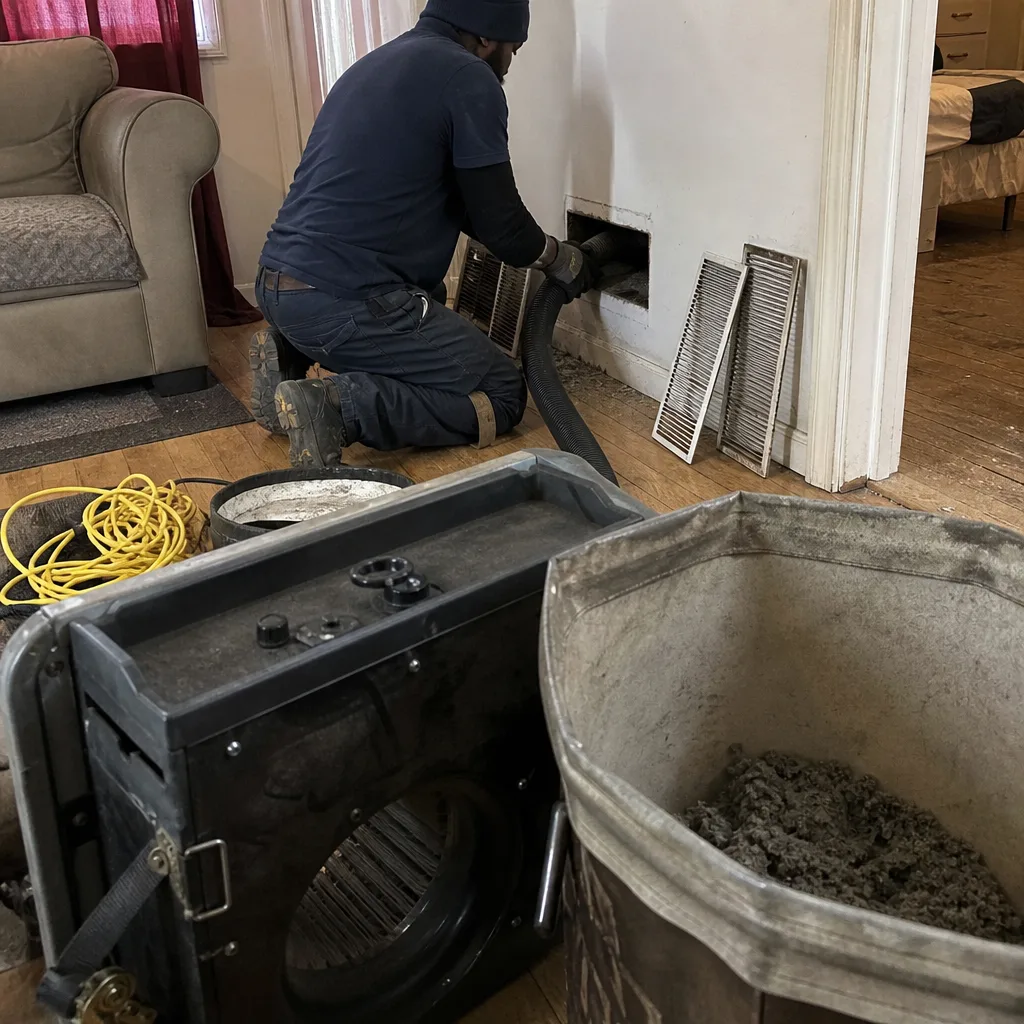 Before
 After
 Before
 After
 Before
 After
When to Call a Professional
Call a professional when you observe any one of the following at home: a musty smell that returns with each heating or cooling cycle, a 15-20% airflow gap between same-zone registers, gray-green staining or soot at a register, a persistent new sound from the ductwork, or allergy-type symptoms that clearly correlate with HVAC operation. If you’re a landlord with a pattern across multiple units in a Mott Haven building, a building-wide inspection is the right first step. Our technicians have up to 13 years of experience and we work with professional-grade equipment including Rotobrush and Nikro systems designed for contained extraction. Air Duct Cleaning Mott Haven offers free estimates in Mott Haven. Call (855) 658-4004. We answer 24/7. Fast dispatch from 7am to 7pm, Sunday through Friday.
Frequently Asked Questions
The most reliable warning sign is a smell that returns with each heating or cooling cycle and doesn’t fade. Biological growth and debris accumulation both produce that signature, and unlike visible mold or total airflow failure, it shows up weeks or months before the system becomes a health or mechanical problem. If you can smell it at the register, the system has been distributing the source material at lower concentrations for a while. Call (855) 658-4004 for a free estimate.
Pricing is per system, set by a written estimate after a walkthrough, and we don’t quote from a phone call because the range of system sizes and conditions in Mott Haven’s building stock is too wide. The estimate is free, and the written quote sets the final price. Beware of any quote that’s based on “per vent” pricing or a teaser coupon figure, which typically grows once a technician is on site. Call (855) 658-4004 for an exact quote.
Low quotes usually reflect either a surface-only pass with a portable consumer-grade vacuum, or a bait-and-switch structure where the advertised figure is a starting point that gets revised after the technician arrives. Root-to-register cleaning with professional negative-pressure equipment costs more than a shop-vac pass, and it’s a different job. Ask what equipment is used, how much of the system is included, and whether the price is flat per system or changes after the visit. Call (855) 658-4004 for a free estimate on what your Mott Haven system actually needs.
Ask for before-and-after photos of your own ducts, and ask to see the equipment in use. Professional cleaning with a rotary-brush system and negative-pressure extraction is visible work: you can watch the containment and the extraction, and there’s no reason not to photograph the interior before and after. A company that won’t show you pictures of your own system is telling you something. Call (855) 658-4004 if you want a straight quote with before-and-after documentation included.
There’s no single rule. In Mott Haven’s older housing stock, a household with pets or allergy-sensitive occupants often needs a cleaning every few years, while a smaller apartment with a well-sealed system and no pets may go much longer. The checklist in this guide is a better calendar than any fixed schedule: if the smell, airflow, register stains, or symptom pattern shows up, that’s the trigger. Call (855) 658-4004 for a free estimate and an honest recommendation.
No. A smell that appears once at the start of the heating season and fades within a cycle is normal. A smell that returns every cycle, gets stronger as the system runs, or is worst in rooms nearest the air handler is a warning sign that points to biological growth, rodent activity, or heavy debris. The latter three deserve an inspection before the next heating season. Call (855) 658-4004 to schedule a free estimate. We answer 24/7. Fast dispatch from 7am to 7pm, Sunday through Friday.
The Bottom Line
Duct system warning signs are usually subtle: an odor that returns every cycle, a room that’s 15-20% weaker than the others, gray-green staining at a register, a new rattle at startup, or a symptom pattern that tracks with HVAC operation. None of those is a crisis on its own, and that’s the point. They’re the early indicators that, if acted on, prevent the system from becoming a health or mechanical problem. The right response is a walkthrough, a diagnosis, and a plan that includes repair and sealing when necessary, because cleaning the wrong problem is wasted work. The rest of what you need is the checklist, twice a year.
If you’ve noted a warning sign from this guide in your own Mott Haven home or building, Air Duct Cleaning Mott Haven offers free estimates and will give you a straight recommendation rather than a sales pitch. Call (855) 658-4004. We answer 24/7. Fast dispatch from 7am to 7pm, Sunday through Friday.
Written by the team at Air Duct Cleaning Mott Haven.