
Last updated November 22, 2026
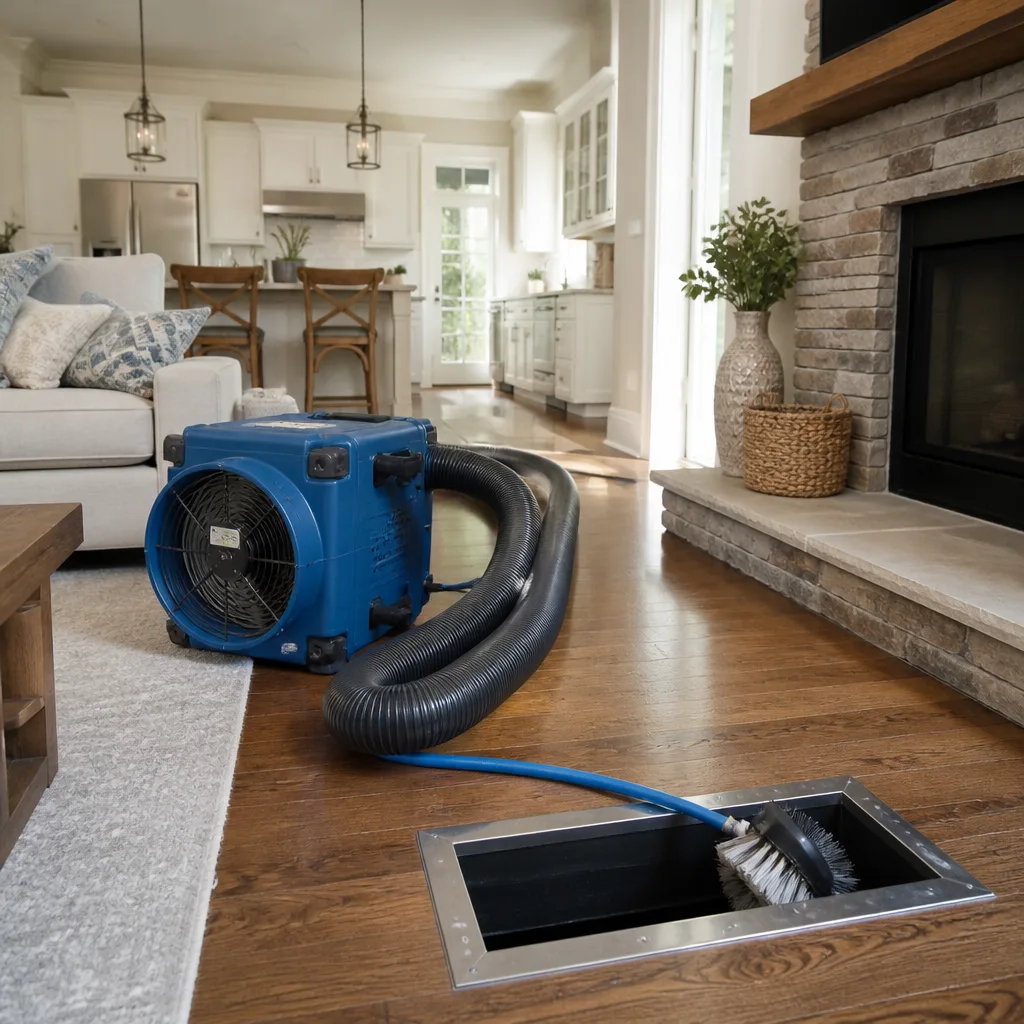 Whole-home duct cleaning
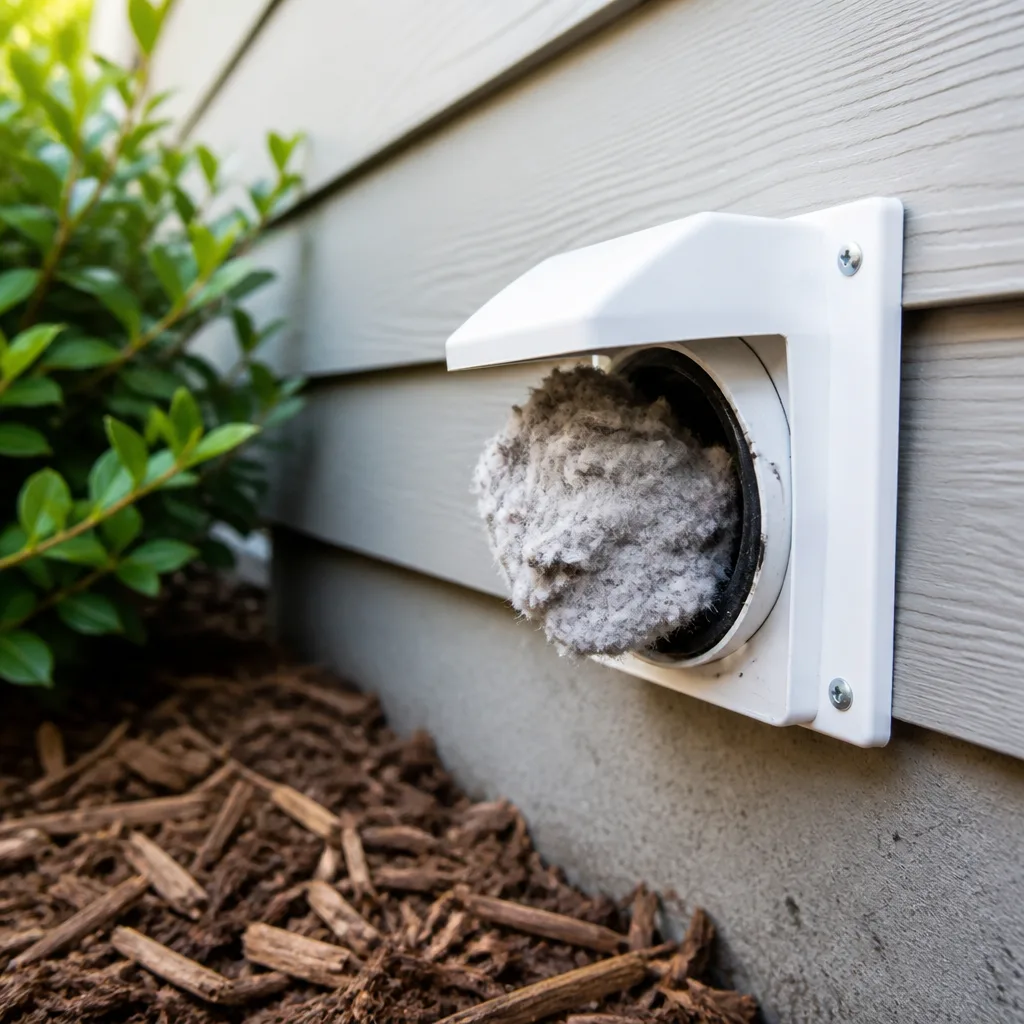 Dryer vent cleaning
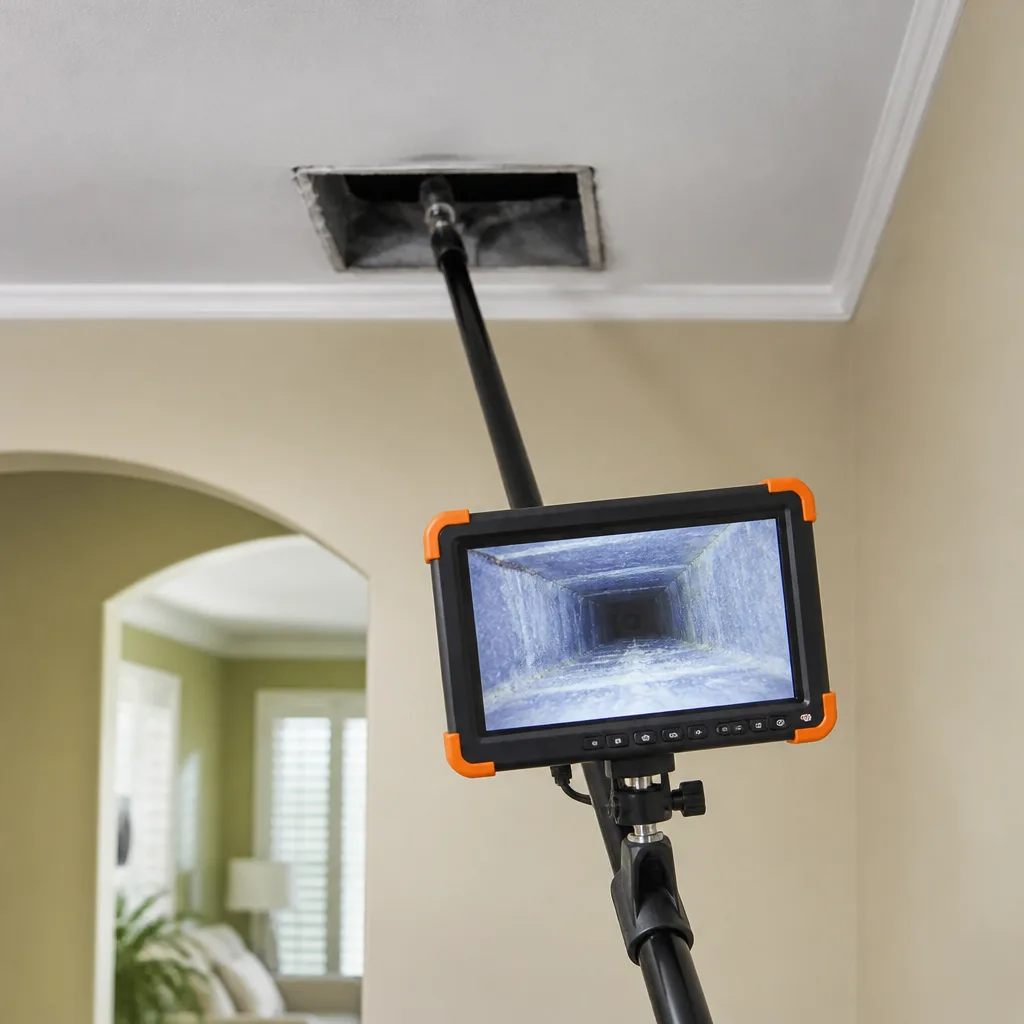 Camera inspection
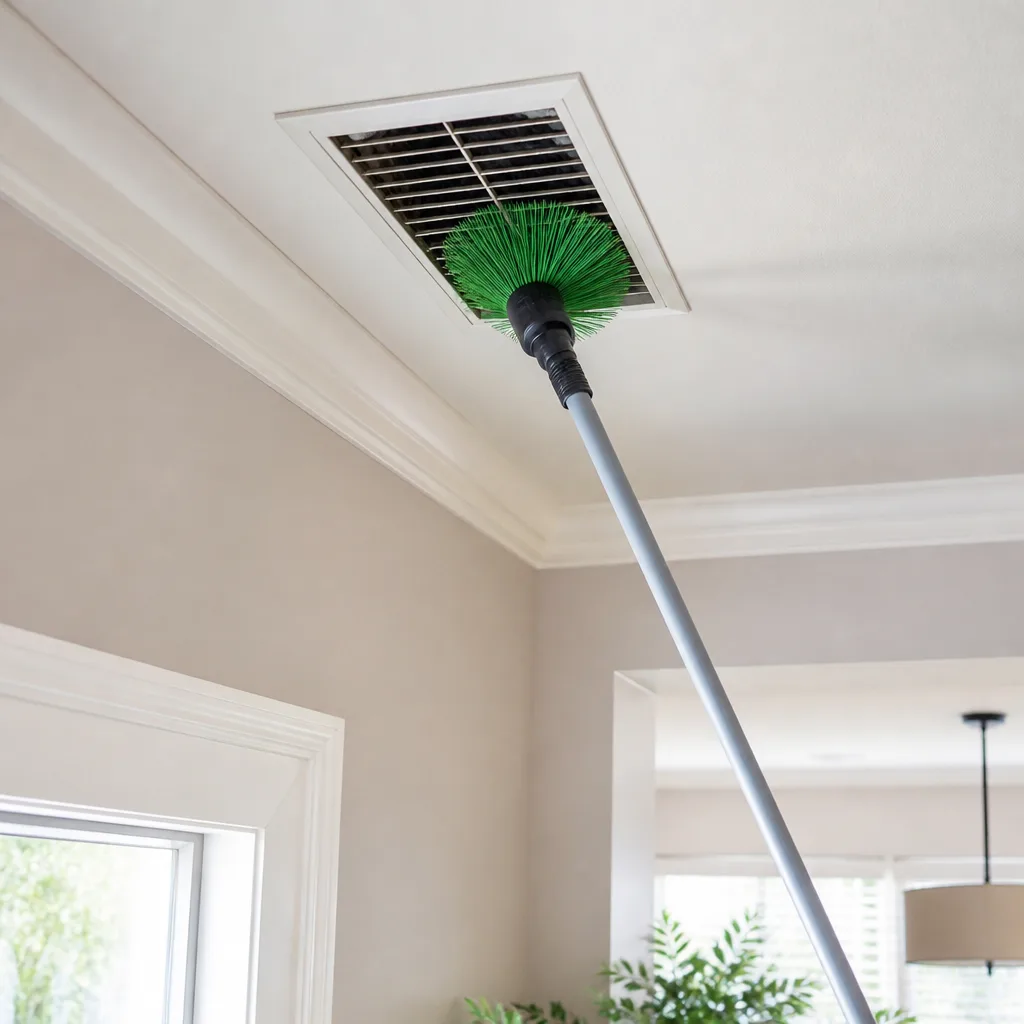 Sanitizing & deodorizing
Whole-system duct and dryer vent check with before-and-after photos - you see exactly what came out of your vents
That "$99 whole-house special" is a bait ad - the real number appears once they are in your hallway, or the "clean" is a shop-vac at the register. We photograph the inside of your ducts before and after instead.
Air Duct Cleaning Permits, Codes & Inspections in Mott Haven, NY: What You Need to Know
Here’s the part of duct work almost nobody explains: the cleaning itself doesn’t require a permit in New York, but the repair and sealing that often follows it can. That gap matters. If a technician finds a collapsed duct section mid-clean and patches it on the spot without proper paperwork, the building owner is usually the one holding the risk, not the contractor. This guide walks through exactly where cleaning ends and “alteration” begins under the NYC Mechanical Code, what landlords in Mott Haven are actually obligated to do, and how to check your building’s permit history before anyone touches your system.
Quick Answer
Air duct cleaning by itself does not require a permit in New York City. Duct repair, modification, and system alteration generally do require a filed permit under the NYC Mechanical Code, which means the scope of work determines the requirement. Mott Haven landlords also carry a maintenance obligation for ventilation systems under the NYC Housing Maintenance Code, separate from any permit question.
Styles & brands we work with
- Whole-home duct cleaning
- Dryer vent cleaning
- Camera inspection
- Sanitizing & deodorizing
Table of Contents
- Cleaning vs. Alteration: Where the Permit Line Sits
- The NYC DOB Threshold for Duct Work
- Local Law 97 and Duct Sealing in Multi-Unit Mott Haven Buildings
- What NYC Housing Maintenance Code Section 27-2029 Requires
- How to Check Your Building’s DOB BIS Record
- What Documentation a Contractor Must Provide
- What Inspections Actually Look At
- Mott Haven Building Stock and Duct Work Realities
Cleaning vs. Alteration: Where the Permit Line Sits
Most duct work that happens in Mott Haven apartments and commercial spaces falls cleanly into one of two buckets, and the permit requirement lives in the difference between them.
Cleaning and maintenance – removing debris, dust, and contaminants from ducts, registers, and air handlers – is maintenance. No permit. This includes the full root-to-register cleaning scope: brushing and extracting debris from every run of duct, cleaning the air handler, cleaning registers and grilles, and sanitizing accessible interior surfaces. It also includes dryer vent cleaning, which is maintenance and a fire-safety measure in its own right.
Alteration is where the permit question opens up. Under the NYC Mechanical Code, work that changes a mechanical system’s configuration – adding, removing, or rerouting duct runs, changing duct sizing, installing new dampers, modifying how a system distributes air – is generally treated as an alteration. Alterations typically require a filed permit and, in many cases, inspection sign-off before the work is considered complete.
Repair sits in a gray zone that depends on scope. Reconnecting a single separated joint or replacing a short section of flexible duct may be handled as a maintenance repair. Replacing several runs, changing duct geometry, or sealing a system as part of an energy compliance measure is a different conversation. The honest answer is that the scope of work determines the requirement, and a contractor who can’t describe the scope in writing isn’t in a position to tell you whether a permit is needed.
In our experience, this is where Mott Haven building owners get caught: not because anyone intended to skip a permit, but because the work grew while the technician was already on site. The right move is to know in advance what’s cleaning and what’s construction.
The NYC DOB Threshold for Duct Work
The NYC Department of Buildings draws the line at alteration of a mechanical system, not at cleaning of one. Here’s how to think about it before you schedule.
- Pure cleaning: no permit. Debris removal, brushing, negative-pressure extraction, air handler cleaning, register cleaning, sanitizing treatments.
- Maintenance-level repair: generally no permit, but the scope should be documented in writing with photos and a description of what was replaced or reconnected.
- Replacing a duct run: usually alteration territory. Permit likely required depending on scope and configuration.
- Rerouting or resizing ductwork: alteration. Permit required.
- Adding new supply or return runs: alteration. Permit required.
- Sealing as part of an energy compliance scope: depends on the measure and the building. Local Law 97 work and DOB filing often move together.
Two practical notes for Mott Haven owners. First, DOB filings in mixed-use buildings sometimes fall under more than one review path depending on occupancy, so the answer for a ground-floor commercial unit can differ from the apartments above it. Second, the party of record on a DOB violation is typically the building owner, not the contractor – which is the whole reason this distinction matters.
If you want to know for certain whether your specific scope needs a permit, ask your contractor to put the scope in writing and confirm it with your expeditor or the DOB before work begins. That paper trail is your protection.
Local Law 97 and Duct Sealing in Multi-Unit Mott Haven Buildings
Duct sealing and Local Law 97 overlap more than most Mott Haven landlords expect. Building performance standards under Local Law 97 push owners of larger buildings to reduce energy use, and leaky ductwork is one of the most straightforward losses to address – unsealed joints in a Class A multiple dwelling can bleed a significant share of conditioned air into wall cavities and mechanical chases instead of delivering it to the rooms.
Where this gets complicated is that sealing work done as part of an energy compliance measure often needs to be documented differently than a repair. The scope has to be clear enough to support whatever filing or reporting the measure requires, and the building’s existing mechanical condition needs to be known before the work starts.
For Mott Haven owners of multi-unit buildings – the older walk-ups and mid-size apartment buildings that make up so much of the neighborhood’s housing stock – the practical sequence looks like this:
- Have the existing duct system assessed before committing to a sealing scope, so you know what’s actually leaking and what’s already sealed.
- Separate cleaning from sealing from repair in the estimate, so the permit question stays clear.
- Ask whether the sealing work is being done for energy compliance, in which case it may need to be coordinated with your building’s Local Law 97 filings.
- Keep before-and-after documentation on file. If the sealing is credited toward a compliance measure, you’ll want proof it happened.
- Where the work involves balancing dampers, HVAC cleaning and system tuning often need to be scheduled together.
Our technicians work with Honeywell and Aprilaire controls and filtration systems regularly, which matters for sealing work in buildings where those platforms are already installed. Sealing a system without accounting for how it’s controlled and filtered is half a job.
What NYC Housing Maintenance Code Section 27-2029 Requires
Section 27-2029 of the NYC Housing Maintenance Code puts an ongoing obligation on building owners to keep ventilation systems in a state of good repair and functioning as intended. It is not a suggestion, and it is not a one-time requirement satisfied by a single cleaning.
In practice, this means landlords in Mott Haven who own Class A multiple dwellings need to be able to show that:
- The ventilation system is delivering air as designed.
- Components are clean, connected, and functioning.
- There are no blockages, disconnections, or obvious defects that would compromise ventilation.
- Records exist documenting inspection and maintenance.
That last point is where a lot of owners get surprised. The obligation is continuous, and the proof is documentation. If a tenant files a complaint about air quality or ventilation and there’s no maintenance record, the owner is in a weaker position than if there were recent inspection notes showing the system had been assessed and cleaned.
This is also why we tell Mott Haven landlords that air duct cleaning is best treated as scheduled maintenance with a record attached, not a reactive job done when something goes wrong. The cleaning itself doesn’t satisfy 27-2029 on its own, but it’s the most reliable way to show the system was in good condition on a given date.
One more point for Mott Haven: older buildings here often have ventilation systems that were installed decades ago and modified over the years by different contractors. Whether the current system meets the code’s intent depends on what was done and whether it was done properly. If there’s no paper trail, that uncertainty is a liability.
How to Check Your Building’s DOB BIS Record
Before you schedule any duct repair or modification work, check the building’s permit history. The DOB’s Building Information System (BIS) is public and free, and it tells you what’s been filed on the address.
- Go to the DOB BIS portal. Search by building address, not by owner name.
- Review the job filings. Look for mechanical filings, alteration applications, and any open or expired permits that touch the HVAC or duct system.
- Check for violations. Open violations on mechanical systems or ventilation will affect how you scope the work.
- Review the Certificate of Occupancy. Confirm the building’s current use and whether the mechanical systems as installed match what’s on record.
- Note the building’s classification. Class A multiple dwelling versus mixed-use changes which code paths apply.
- Bring the printout to your contractor conversation. A contractor who knows what’s already on record will scope the work differently than one who doesn’t.
We’ve seen this step save Mott Haven owners from surprises more than once. If BIS shows an open mechanical violation on the building, that’s information you want before a plumber, HVAC contractor, or duct cleaner starts work and discovers something that changes the scope mid-job.
A five-minute BIS check is the single most useful thing a building owner can do before scheduling duct work. It tells you what the building is supposed to have, what’s been filed, and what’s outstanding.
What Documentation a Contractor Must Provide
Verbal assurances don’t survive a DOB inspection. If work that touches duct repair or modification gets inspected, the paperwork matters as much as the work.
Here’s what a contractor should provide for duct repair or modification work that could face inspection:
- A written scope of work describing exactly what’s being repaired, replaced, or modified, in enough detail that a third party can understand it.
- Before and after photos of the affected duct sections. This is standard practice and it’s the easiest way to demonstrate the work was done.
- Material documentation for any duct components installed, including specs for duct board, sealants, and flexible duct if used.
- Permit numbers if the work required a permit, along with the name of the filing party.
- Inspection sign-off if the work was inspected, kept on file with the building’s maintenance records.
- A closeout summary describing what was done and any related recommendations for the system going forward.
We use Rotobrush and Nikro equipment for cleaning and extraction, which gives us the ability to photograph interior duct conditions before and after work. That’s not a marketing feature – it’s the documentation trail an owner needs when a complaint or inspection arises later. The same goes for Abatement Technologies IAQ tools when fine-particulate is a concern, because the documentation of what was found and removed is part of the value.
If a contractor can’t describe in writing what they’re going to do and can’t show you what they did after, that’s a problem regardless of what the permit situation happens to be.
What Inspections Actually Look At
When duct work is inspected, the inspector is checking whether the installed system matches what was filed and whether it meets code. That’s the whole scope. A few things that matter in practice for Mott Haven buildings:
- Configuration match. The system as installed should match the plans and scope filed.
- Sealing and connections. Duct joints, transitions, and connections should be sealed and secure.
- Clearances and supports. Duct runs need proper support and required clearances from other building systems.
- Access. Access panels and cleanouts need to be where they’re supposed to be.
- Function. Airflow and balance need to function as intended, which is why sealing work without proper testing can cause problems.
The inspections that catch contractors most often are the ones where the installation doesn’t match the filed scope. That happens most when the scope wasn’t clear in the first place. A written scope and a contractor who documents along the way is the cheapest insurance against an inspection surprise.
Air Duct Cleaning Mott Haven coordinates with the plumbing and HVAC trades you already use so the documentation holds together. For an owner, having one contractor responsible for the duct ecosystem – cleaning, dryer vent cleaning, HVAC cleaning, repair and sealing, and air quality and sanitizing – means there’s no hand-off where the paper trail breaks.
Mott Haven Building Stock and Duct Work Realities
Mott Haven’s building stock shapes what we find inside duct systems. Many of the apartment buildings in the neighborhood date back to the early twentieth century, and their mechanical systems have been modified repeatedly over the decades. Duct runs get added, rerouted, or spliced together as buildings change hands and use. What’s on the plans and what’s in the walls can be two different things.
A few patterns we see in the neighborhood:
- Duct runs spliced into chases where no accessible run was intended, which makes cleaning and inspection work different from a modern installation.
- Dampers that no longer move because they’ve been painted over, seized, or forgotten about across multiple mechanical modifications.
- Return air paths that don’t match the supply paths, which shows up as persistent air-quality complaints that no amount of cleaning fixes until the configuration is corrected.
- Buildings with no recent mechanical documentation, where the safest starting point is a full assessment before any work is scoped.
- Ground-floor commercial spaces with systems that share ductwork with residential units above – which changes what work needs a permit and changes how the work should be sequenced.
The neighborhood’s climate also matters. New York’s humid summers and cold winters mean condensation and thermal cycling are a constant on poorly insulated duct runs, which accelerates the seal failures that eventually show up as dust and air-quality complaints. Sealing work done properly is a long-term fix for that; sealing work done as a patch isn’t.
Because we work exclusively with the trades that touch the system – Rotobrush for rotary brushing and negative-pressure extraction, Nikro for containment, and Abatement Technologies for particulate work – the assessment and the cleaning stay coherent. Where Guardman-line protective products are used in air quality and sanitizing treatments, that’s documented separately as part of the work record.
Common Mistakes to Avoid
- Assuming duct cleaning covers any repair that happens on the same visit. The permit question is about the repair, not the cleaning. If the scope grows, the paperwork conversation has to happen.
- Letting a technician patch a disconnected duct on the spot without documentation. In our experience across Mott Haven, what gets forgotten on a busy day is the before-and-after photo that makes the repair defensible later.
- Treating section 27-2029 as a suggestion. Landlords in Mott Haven who don’t keep ventilation maintenance records can end up in a weak position when a tenant complains. The record is the point.
- Skipping the BIS check before scoping duct work. Open violations and mechanical filings change how a repair should be sequenced, and a five-minute check before the estimate prevents an unpleasant conversation after.
- Sealing a system without addressing controls and balance. Sealing that doesn’t account for how the system is controlled – which is where familiarity with Honeywell and Aprilaire platforms matters – can leave the building with a tighter duct system that delivers less air than it did before.
- Accepting verbal assurances about permit status. A contractor who says “you don’t need a permit for this” should be able to say why, in writing, in the scope of work.
- Cleaning only the visible registers. Every run of duct is what carries the air. A partial cleaning addresses what you can see and leaves the rest behind, which is why we treat cleaning as root-to-register every time.
See the difference
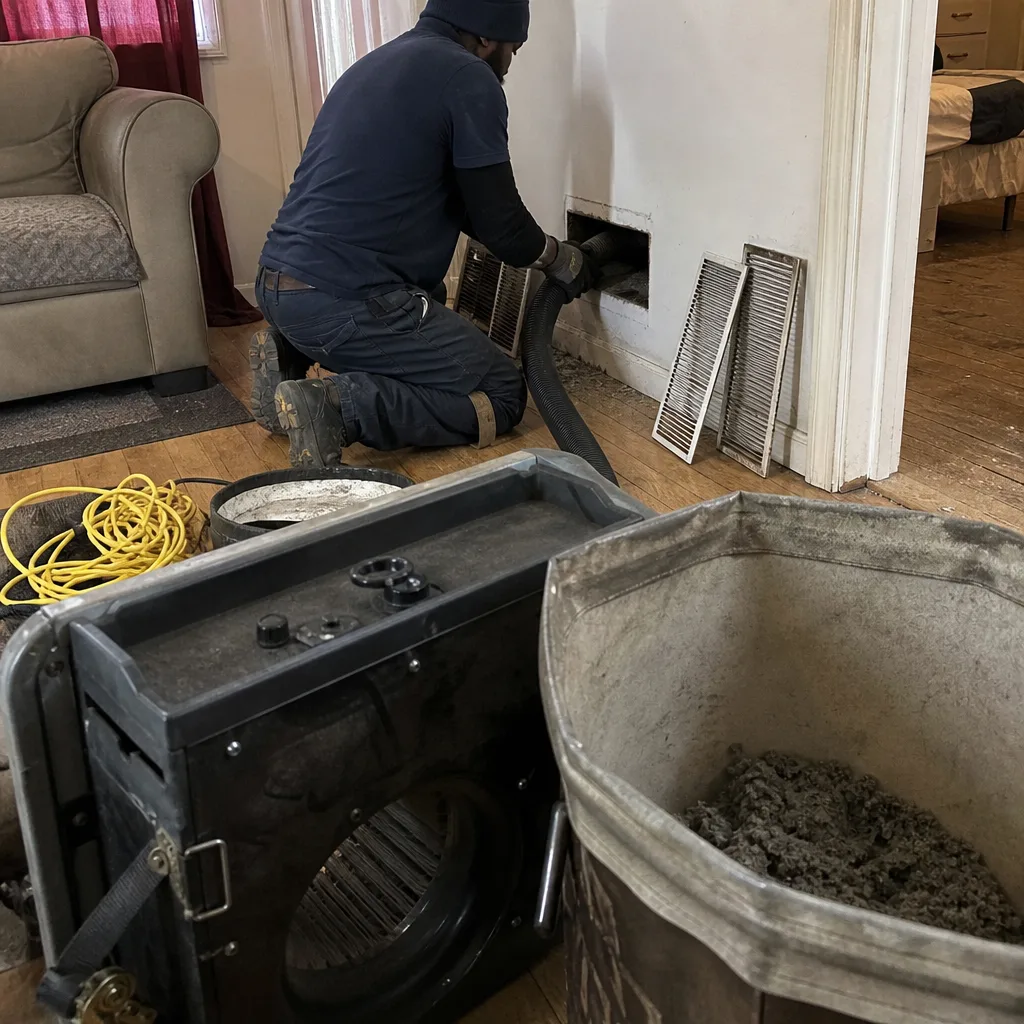 Before
 After
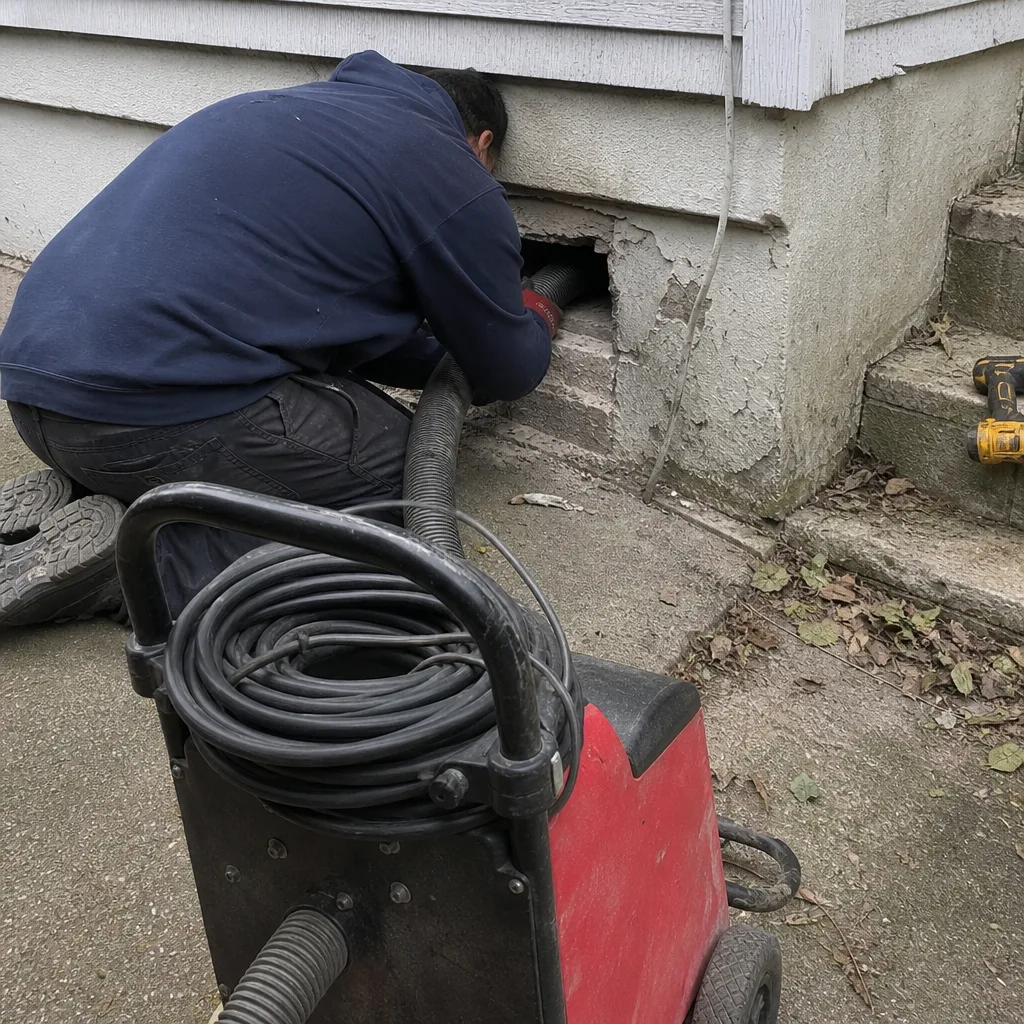 Before
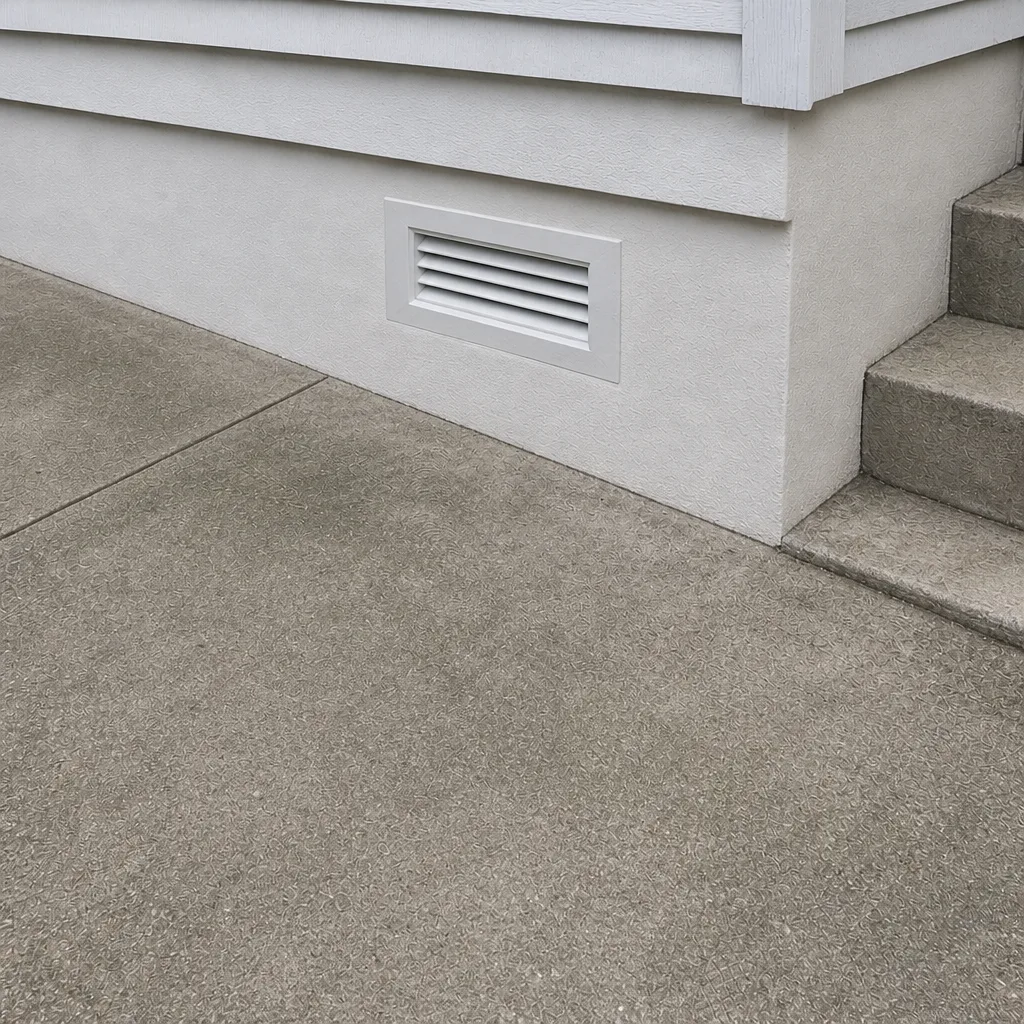 After
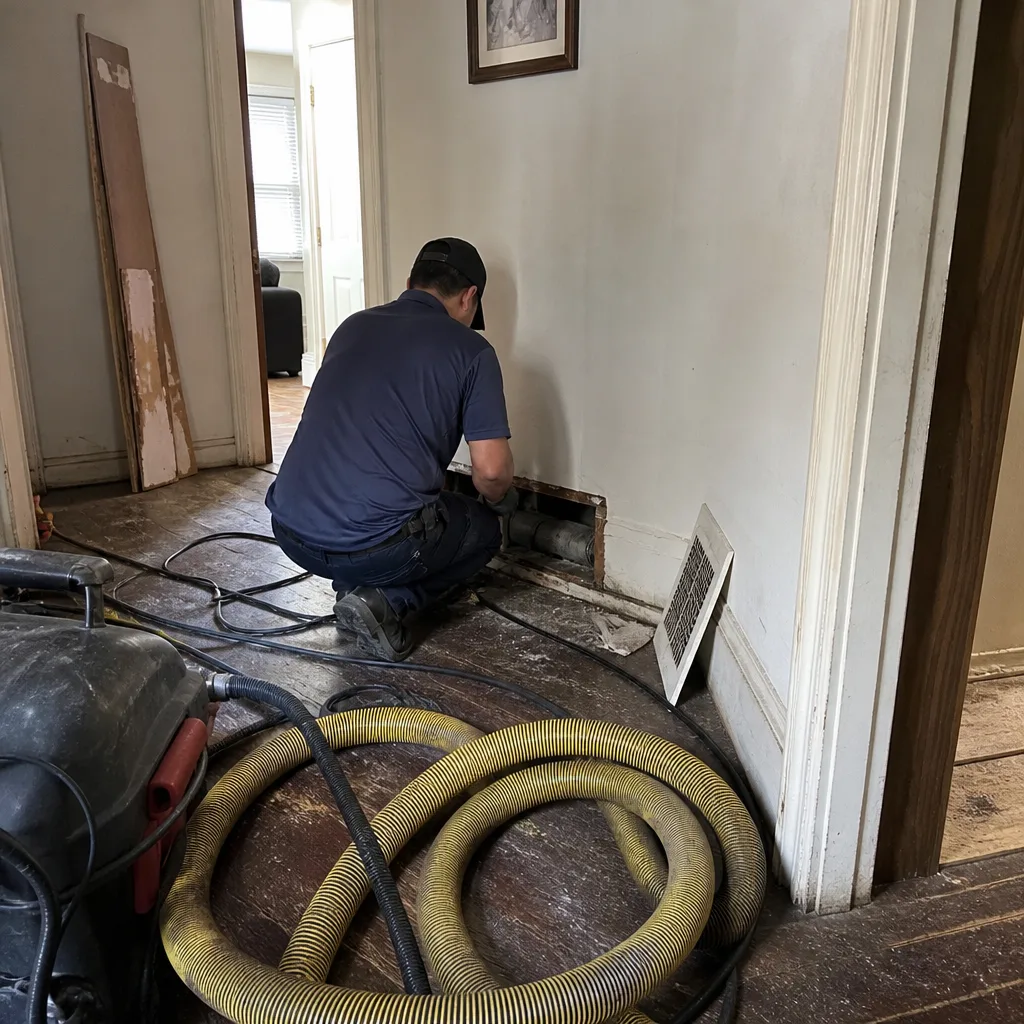 Before
 After
When to Call a Professional
You need a professional when the question is bigger than cleaning. If BIS shows an open mechanical violation, if a duct run is disconnected or collapsed, if ventilation complaints keep coming back after a cleaning, or if you’re a Mott Haven landlord whose building has no recent maintenance record on the ventilation system – those are all scenarios where the right next step is an assessment, not a spot treatment. The same goes for any work that might cross the alteration line: get the scope in writing first.
Air Duct Cleaning Mott Haven offers free estimates in Mott Haven – call (855) 658-4004. We answer 24/7. Fast dispatch from 7am to 7pm, Sunday through Friday. Our technicians have up to 13 years of experience working with duct systems in buildings like the ones you’ll find across the neighborhood.
Frequently Asked Questions
No. Air duct cleaning by itself is maintenance and does not require a permit in New York City. The permit question only arises when the scope includes duct repair, replacement, rerouting, or other alteration to the mechanical system. Call (855) 658-4004 if you want the scope of your specific job reviewed before it starts – estimates are free.
Cleaning removes debris from an existing system without changing it. Alteration changes the system’s configuration – adding runs, changing sizing, rerouting, or installing new dampers. The Mechanical Code treats alteration as permitting work, while cleaning stays a maintenance scope. If you’re unsure which side your job falls on, have the contractor put the scope in writing and confirm it before work begins.
Section 27-2029 requires building owners to keep ventilation systems in good repair and functioning as designed. In practice that means ongoing inspection, maintenance, and records showing the system was assessed and cleaned. It’s a continuous obligation, not a one-time requirement, and the documentation is what supports an owner when a tenant complaint or inspection comes up. Call (855) 658-4004 to schedule an assessment and start a maintenance record.
Use the DOB’s Building Information System portal and search by building address. Review mechanical filings, open violations, and the building’s current Certificate of Occupancy. Bring the results to your contractor conversation so the scope of work accounts for what’s already on record. A five-minute check prevents scope surprises mid-job.
A written scope, before-and-after photos of the affected sections, material documentation for any installed components, permit numbers if a permit was required, inspection sign-off if inspected, and a closeout summary. Verbal assurances don’t hold up in NYC’s enforcement environment. Get the paperwork. Call (855) 658-4004 for estimates and we’ll walk through what documentation applies to your job.
It can. Sealing work done as part of an energy compliance measure often needs to be scoped and documented differently than a repair, and the coordination with your Local Law 97 filings may be required. The safe approach is to know what the sealing is for before the estimate, so the scope and paperwork line up with the compliance goal.
The Bottom Line
Duct cleaning in Mott Haven doesn’t require a permit. Duct repair, modification, and sealing done as part of an energy compliance measure can. The building owner carries the risk if that distinction gets skipped, which is why the scope of work has to be in writing before anyone starts. Check BIS before you schedule. Keep the documentation. Treat section 27-2029 as a continuous obligation, not an annual event. If you want one contractor who can clean, repair, seal, and document the whole system without hand-offs, that’s what we do – and the estimate is free.
If you’re a Mott Haven building owner or landlord sorting through a duct system issue, call (855) 658-4004. We answer 24/7. Fast dispatch from 7am to 7pm, Sunday through Friday. Free estimates, one flat price per system agreed before work starts, before-and-after photos of your own ducts, and a satisfaction guarantee.
For a full look at what we handle, see Air Duct Cleaning Mott Haven.
Written by the team at Air Duct Cleaning Mott Haven.